
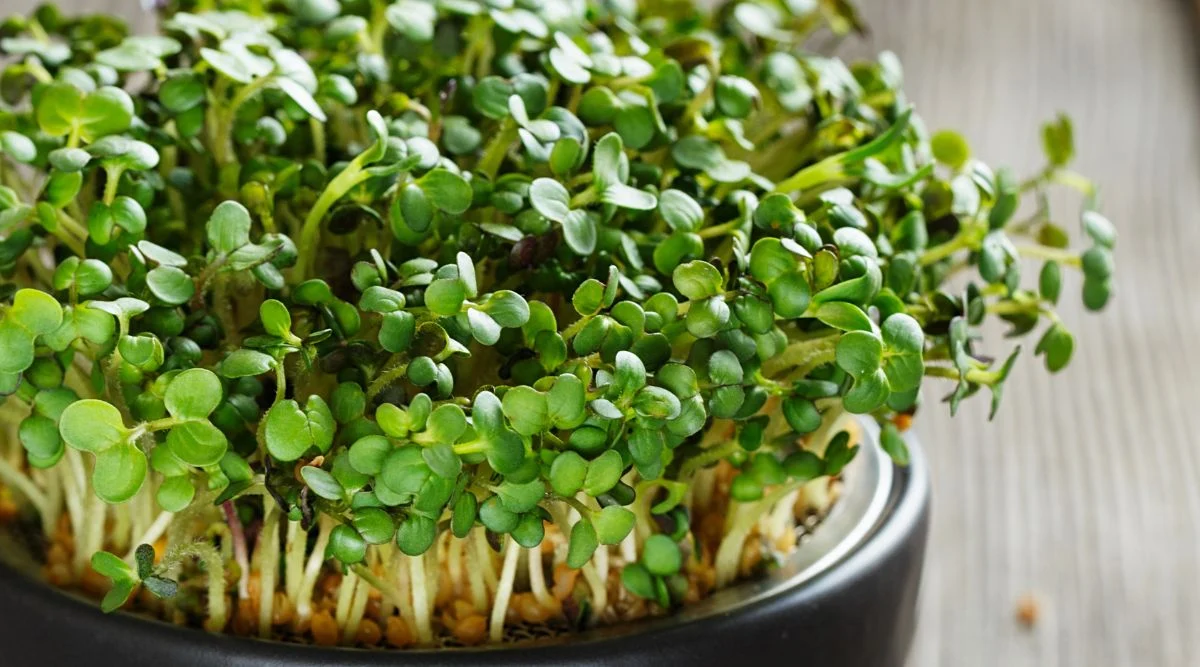
What Are Mustard Sprouts?
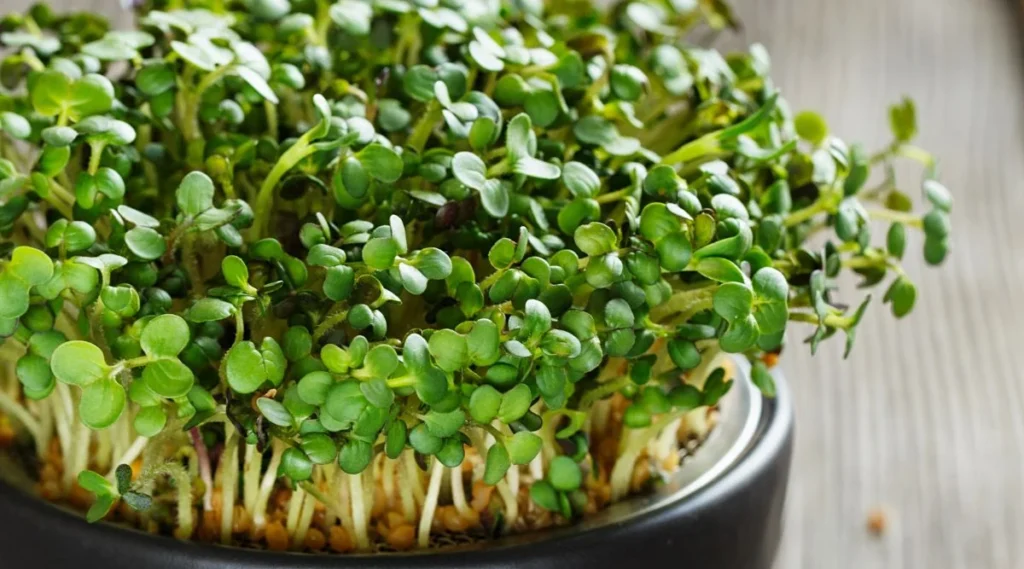
Mustard sprouts are the young shoots of mustard seeds (usually Brassica juncea or Sinapis alba) that have been soaked and allowed to germinate for several days. These sprouts retain a unique peppery, slightly pungent flavor reminiscent of mature mustard plants but in a softer, more palatable form. They are harvested early—typically between 3 and 6 days after soaking, when the shoots are small and the roots still tender. Mustard sprouts are valued for their crunchiness and distinctive taste, which can add spice without heat to a variety of dishes.
Nutritional Facts
Nutritional Overview per 100g (Raw Mustard Sprouts)
Based on sprout-specific composition data from sprouting nutrition references:
| Nutrient | Approximate Amount (per 100g) |
|---|---|
| Calories | ~27 kcal |
| Protein | ~3 g |
| Carbohydrates | ~4 g |
| Dietary Fiber | ~1.5 g |
| Fat | ~0.4–0.6 g |
| Vitamin C | ~70% DV |
| Vitamin A | ~15% DV |
| Calcium | ~5% DV |
| Iron | ~5% DV |
| Potassium | trace/minor |
| Water | ~85–90% |
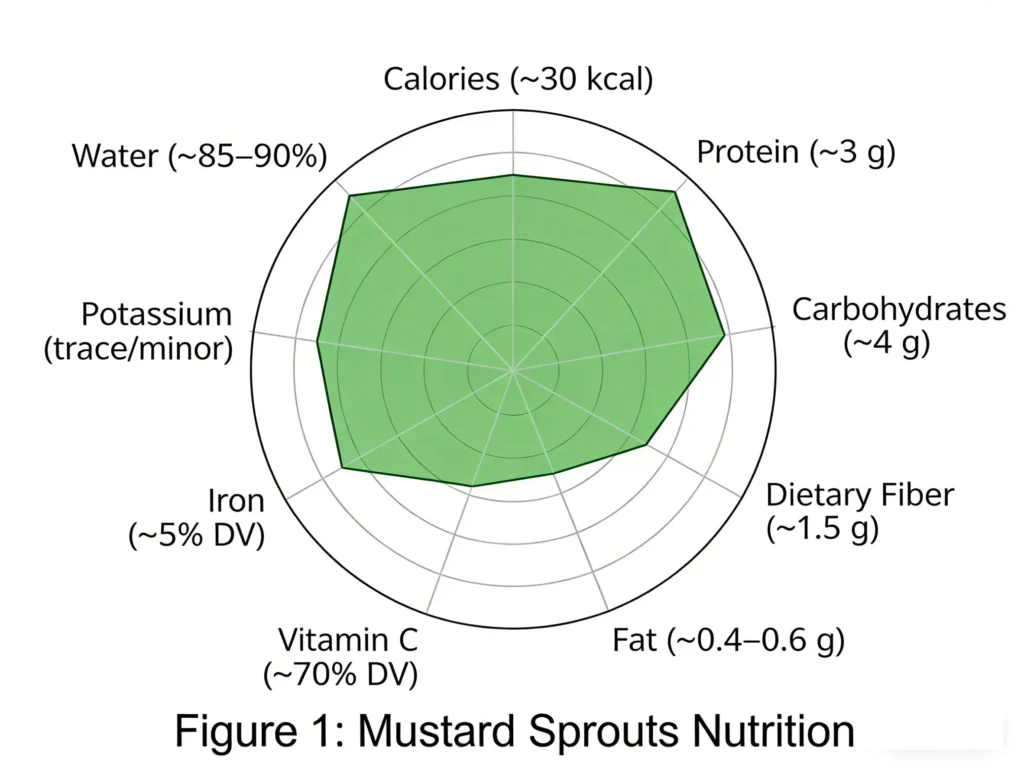
Figure 1: Mustard Sprouts Nutrition Overview — a visual bar or radar chart displaying key nutritional indicators. Note: Nutrient levels vary by seed type (yellow mustard, brown mustard, etc.) and growing conditions, but mustard sprouts consistently show high vitamin C content relative to calories.
Bioactive Compounds and Functional Nutrition
Mustard sprouts contain several bioactive compounds that contribute to both flavor and potential health effects:
Glucosinolates
Natural plant compounds characteristic of mustard and other cruciferous vegetables. During chewing or digestion, glucosinolates can break down into isothiocyanates, which are studied for their potential biological activity.
Phenolic Compounds & Flavonoids
Sprouting increases phenolic and antioxidant activities compared with dry seeds, especially around day 5 of germination.
Vitamin C and Carotenoids
Vitamins that support immune function and antioxidant defenses.
Together, these components contribute to the spicy flavor and nutritional density of mustard sprouts.
Potential Health Benefits (Evidence-Based)
The following summaries derive from available nutritional research and do not constitute medical advice.
High in Vitamin C and Antioxidants
Mustard sprouts are notably rich in vitamin C, which supports immune function and collagen formation. Antioxidant compounds produced during sprouting may help neutralize free radicals.
Glucosinolate-Related Phytochemicals
Glucosinolates and their breakdown products (such as isothiocyanates) are studied for potential roles in cellular protection and inflammation modulation. While research on sprouts is still emerging, mustard sprouts show higher glucosinolate content than many mature vegetables.
Digestive and Metabolic Support
Dietary fiber and plant bioactives in mustard sprouts may aid digestion and contribute to feelings of fullness. Their low calorie density makes them suitable for inclusion in a balanced diet.
Risks and Food Safety
Microbial Contamination Risk
Like all sprouted seeds, mustard sprouts are grown in warm, moist environments that can promote bacterial growth, including Salmonella and E. coli.
Recommendations for High-Risk Groups
Individuals who are pregnant, elderly, very young, or immunocompromised are advised to avoid raw sprouts or consume them thoroughly cooked to reduce infection risk.
Safe Handling Tips
Rinse sprouts thoroughly before eating
Store refrigerated and use promptly
Discard any sprouts with off smells or slimy texture
These practices align with official food safety guidelines for sprouts.
Home Sprouting Guide (How-To)
Mustard sprouts are relatively easy to grow at home with minimal equipment.
Materials Needed
Edible-grade mustard seeds (raw, untreated)
Sprouting jar or tray with breathable lid
Clean water
Standard Sprouting Steps
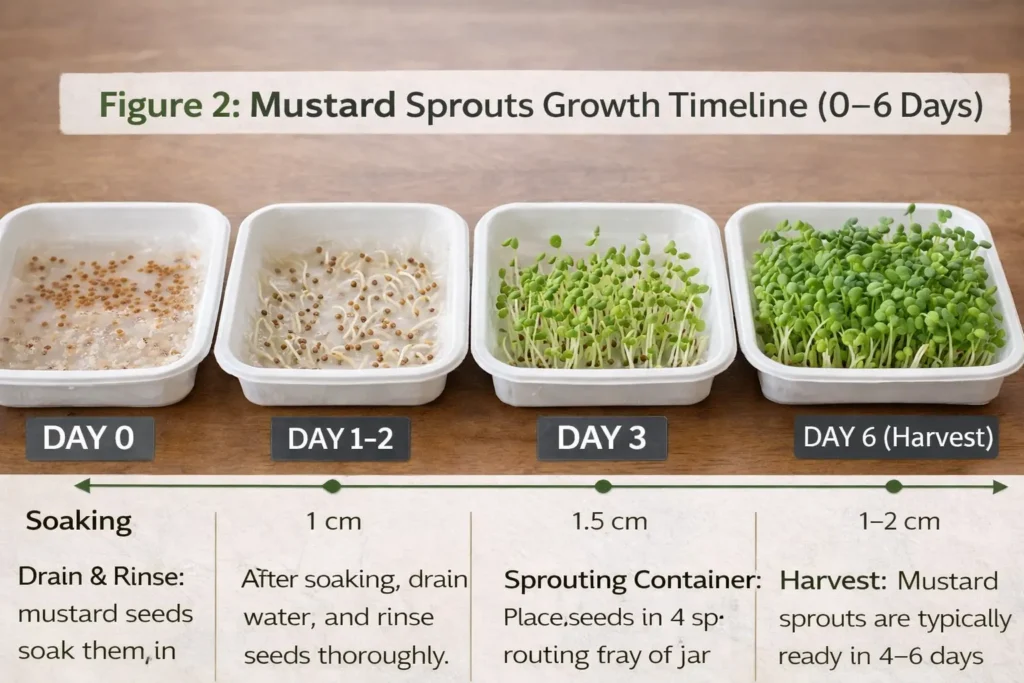
Soaking: Rinse mustard seeds and soak them in clean water for 6–8 hours.
Drain & Rinse: After soaking, drain water and rinse seeds thoroughly.
Sprouting Container: Place seeds in a sprouting tray or jar with good airflow.
Daily Rinsing: Rinse seeds 2–3 times daily, keeping them moist but not waterlogged.
Harvest: Mustard sprouts are typically ready in 4–6 days when the shoots are about 1–2 cm long.
Figure 2: Mustard Sprouts Growth Timeline (0–6 Days) — a horizontal timeline showing daily development from seed through harvest.
How to Eat Mustard Sprouts
Mustard sprouts can be enjoyed in many ways:
Fresh in salads: Adds spice and crunch
Sandwiches & wraps: As a flavorful filling
Stir-fries: Added near the end of cooking
Garnish: On soups, grilled meats, or avocado toast
Light cooking can reduce spiciness and may improve safety for those sensitive to raw sprouts.
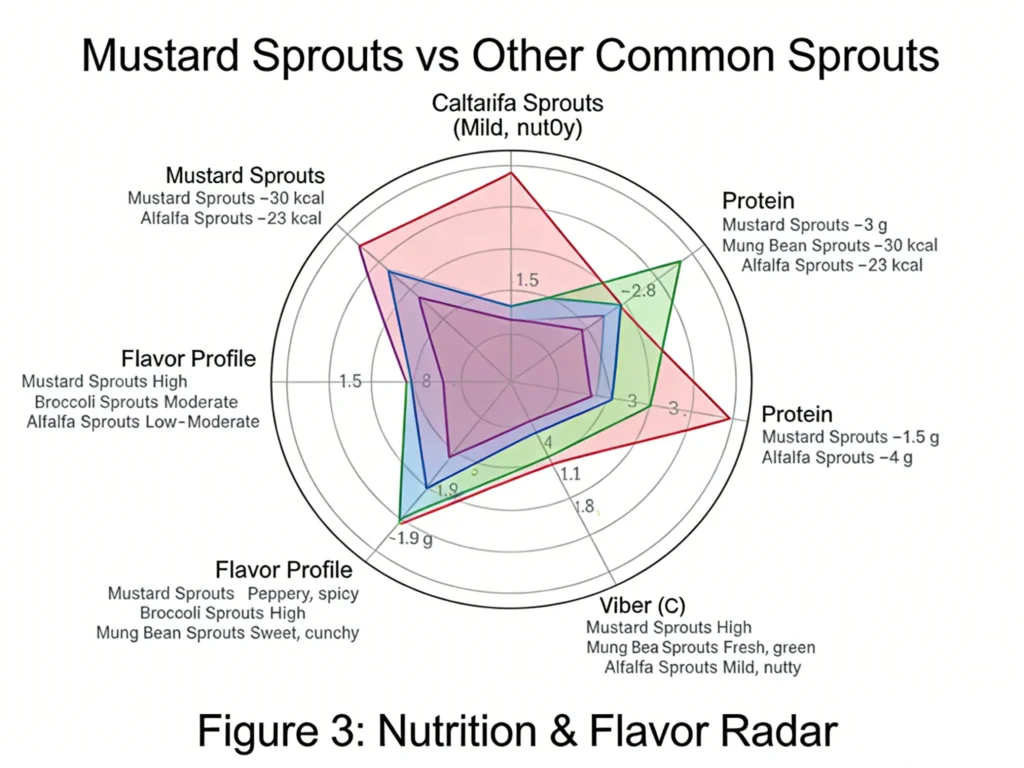
Mustard Sprouts vs Other Common Sprouts
| Metric | Mustard Sprouts | Broccoli Sprouts | Mung Bean Sprouts | Alfalfa Sprouts |
|---|---|---|---|---|
| Calories (/100g) | ~27 kcal | ~20 kcal | ~30 kcal | ~23 kcal |
| Protein | ~3 g | ~2.8 g | ~3 g | ~4 g |
| Fiber | ~1.5 g | ~1.1 g | ~1.8 g | ~1.9 g |
| Vitamin C | High (~70% DV) | High | Moderate | Low–Moderate |
| Flavor Profile | Peppery, spicy | Fresh, green | Sweet, crunchy | Mild, nutty |
Figure 3: Sprouts Nutrition & Flavor Radar Comparison
Frequently Asked Questions (FAQ)
Q1: Are mustard sprouts spicy?
A1: Yes—mustard sprouts have a distinctive peppery and slightly pungent flavor, milder than horseradish but more pronounced than many other sprouts.
Q2: Can I eat mustard sprouts raw?
A2: Most people consume them raw, but if you are in a high-risk group it’s safer to cook them lightly due to microbial contamination concerns.
Q3: How long do mustard sprouts take to grow at home?
A3: Typically 4–6 days from seed soaking to harvest, depending on temperature and seed quality.
Q4: Do mustard sprouts have health benefits?
A4: They are rich in vitamin C, antioxidants, and bioactive compounds like glucosinolates, which are studied for potential health roles.
References & Data Sources
- USDA FoodData Central
https://fdc.nal.usda.gov - FAO / INFOODS Food Composition Database
https://www.fao.org/infoods - Journal of Food Science
https://ift.onlinelibrary.wiley.com - Food Chemistry (Elsevier)
https://www.sciencedirect.com/journal/food-chemistry - Plant Foods for Human Nutrition
https://link.springer.com/journal/11130 - University Extension Sprouting Guidelines
https://extension.umn.edu
https://extension.psu.edu
Comparison Tool Data Snapshot
This table is generated from the same data module as the Sprout Nutrition Comparison Tool, so this guide and the interactive comparison stay synchronized. Values are per 100 g fresh weight. “≈” means a species- and stage-matched reference estimate, not a direct measurement of every crop.
| Growth stage | Calories (kcal) | Protein (g) | Fiber (g) | Vitamin C (mg) | Folate (µg) | Iron (mg) | Calcium (mg) | Potassium (mg) |
|---|---|---|---|---|---|---|---|---|
| Whole Sprout | ≈ 27 kcal | ≈ 3.2 g | ≈ 3.3 g | ≈ 45 mg | ≈ 105 µg | ≈ 1.5 mg | ≈ 100 mg | ≈ 300 mg |
| Microgreen / Shoot | 32.85 kcal | 3.41 g | 2.26 g | 60.68 mg | ≈ 105 µg | 2.46 mg | 51 mg | 322 mg |