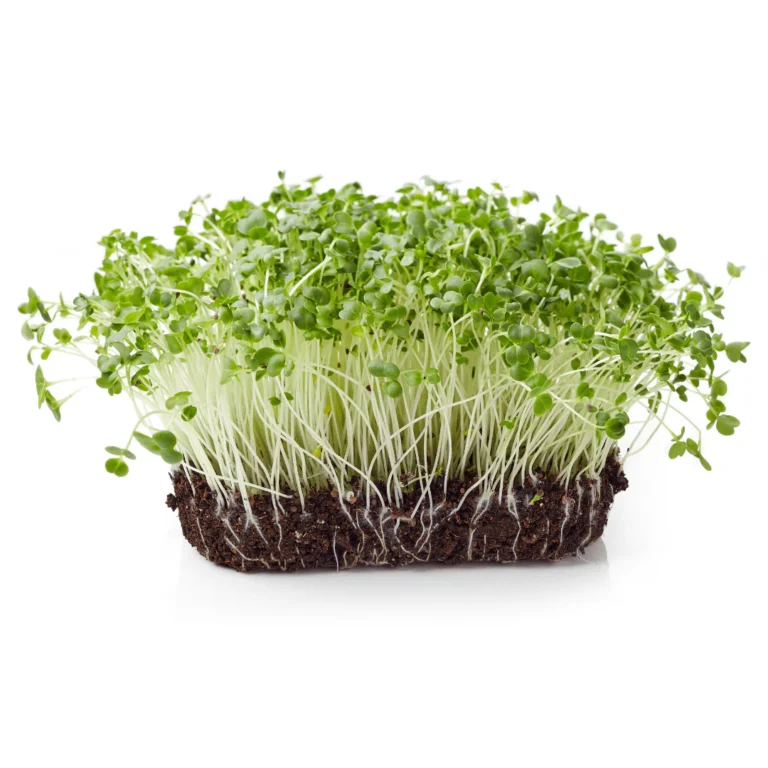
• Soybean Sprouts

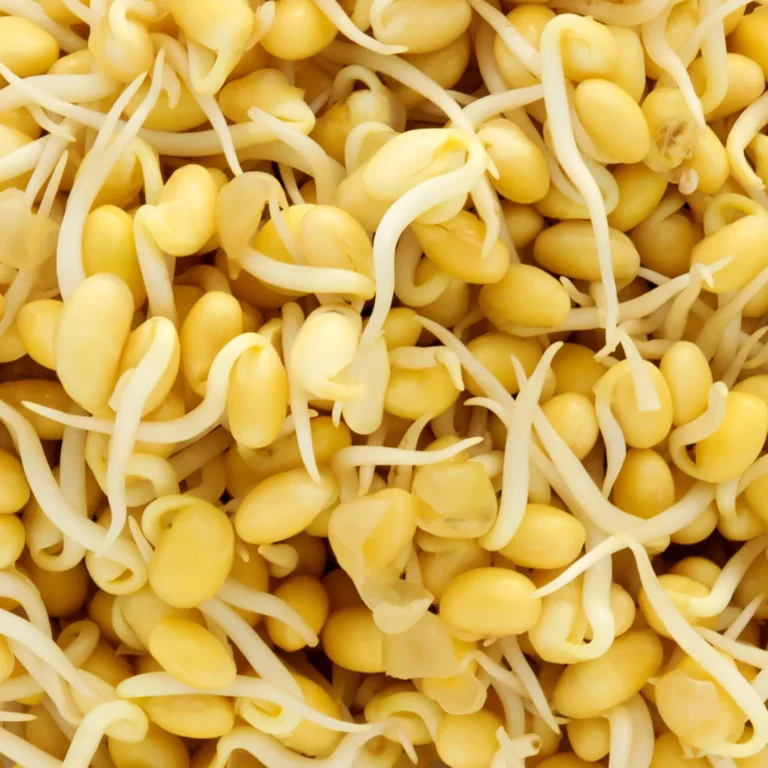
    🥬 1. What Are Soybean Sprouts? Soybean sprouts are tender shoots formed by germinating soybean (soy) seeds​ for 4–7 days. Sprouting significantly alters the chemical structure of the beans, making protein more digestible, reducing anti-nutrients (such as phytic acid), and producing a crisp, slightly sweet​ taste. Compared to mung bean sprouts, soybean sprouts are higher…

  • Pea Sprouts

    What are Pea Sprouts? Pea sprouts are tender shoots produced from the germination of fresh or dried pea seeds (such as green peas) after soaking in water. They are typically ready for harvest within about 3–5 days. Compared to mature peas, pea sprouts are generally richer in certain vitamins, exhibit higher nutrient bioavailability, and offer…

  • Mung Bean Sprouts

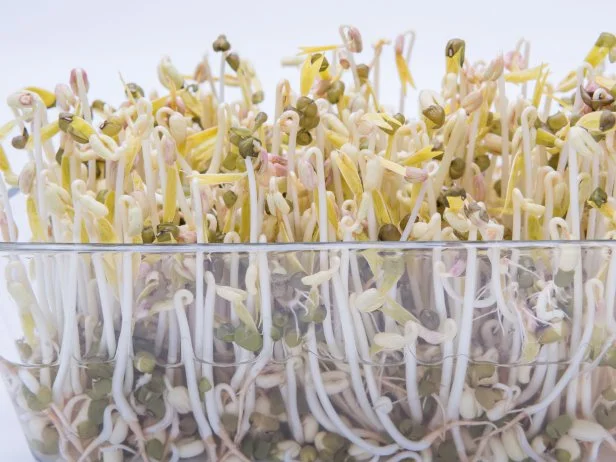
    I. Quick Overview Mung bean sprouts are seedlings formed by sprouting mung bean seeds in water for 3–6 days. They are one of the most widely consumed sprouts globally, known for their crisp, juicy texture, ease of pairing with various cuisines, and rich nutritional content. Figure 1: Mung Bean Sprouts at a Glance II. What…

  • Sunflower Sprouts

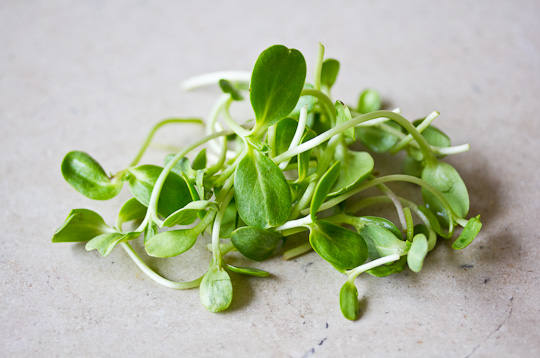
    What Are Sunflower Sprouts? Sunflower sprouts are the young, tender shoots produced by germinating whole, raw sunflower seeds. They are typically harvested when the shoot is 1–2 inches (2–5 cm) long, which usually takes 4–7 days under clean, controlled conditions. It is important to distinguish sunflower sprouts from their more mature counterparts: Sunflower Sprouts: Harvested…

  • Alfalfa Sprouts

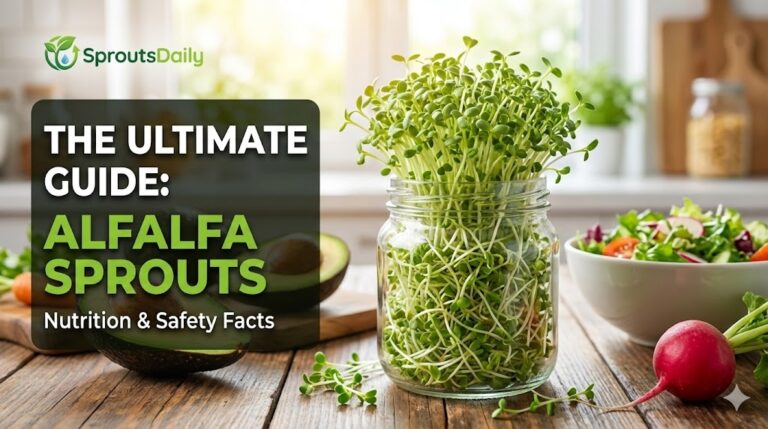
    🥗 Alfalfa at a Glance Alfalfa sprouts are known as a “low-calorie nutrient bomb.” If you’re looking for an ingredient that can significantly boost the nutritional value of your daily meals with almost no added calorie burden, alfalfa sprouts are the top choice. However, as with all sprouts, safe handling is a prerequisite for enjoying…