What are Pea Sprouts?
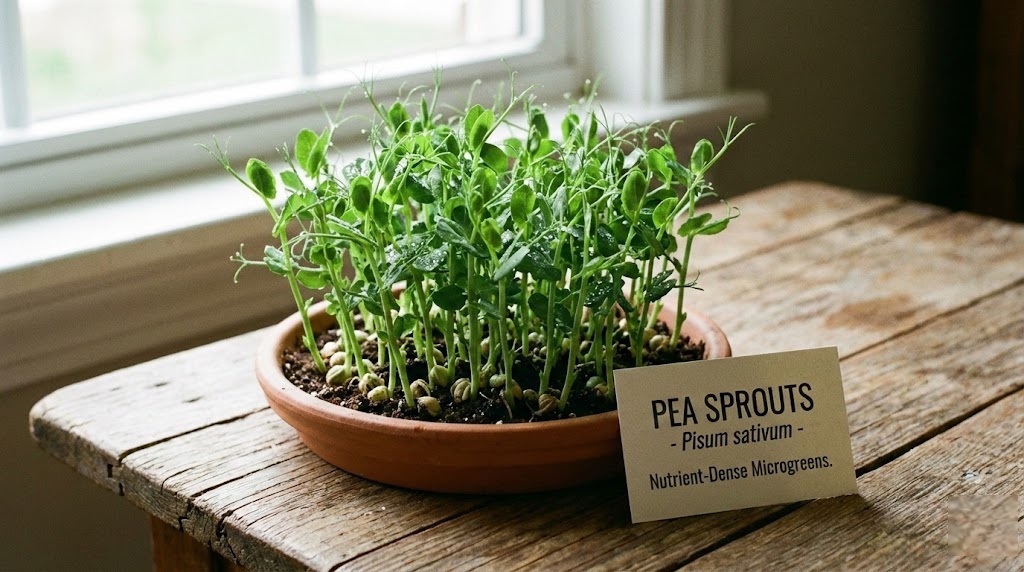
Pea sprouts are tender shoots produced from the germination of fresh or dried pea seeds (such as green peas) after soaking in water. They are typically ready for harvest within about 3–5 days. Compared to mature peas, pea sprouts are generally richer in certain vitamins, exhibit higher nutrient bioavailability, and offer a fresh, naturally sweet flavor.
Pea sprouts are usually more tender than many other types of sprouts, but they are distinct from pea microgreens (pea shoots), which are harvested at a later growth stage after true leaves have developed. Pea sprouts have a fresh, sweet taste and a tender yet crisp texture. They are commonly used in salads, stir-fries, soups, and as a garnish. Due to enzymatic changes during germination, their nutrients are often more easily digested and absorbed than those in mature peas.
Verified Nutrition Facts
The table below uses the USDA FoodData Central entry Peas, mature seeds, sprouted, raw (FDC 170422). Every value is per 100 g so it matches the site comparison tool. “≈” marks a reference estimate used only when the USDA record does not report that field.
| Nutrient | Per 100 g |
|---|---|
| Calories | 124 kcal |
| Protein | 8.8 g |
| Fiber | ≈ 3 g |
| Vitamin C | 10.4 mg |
| Folate | 144 µg |
| Iron | 2.26 mg |
| Calcium | 36 mg |
| Potassium | 381 mg |
Per-100 g figures are a comparison standard, not a suggested serving. Natural variation can occur by cultivar and growing conditions.
Bioactive Compounds and Functional Nutrition
The sprouting process alters the internal structure of peas, significantly reducing anti-nutritional factors such as phytic acid. This reduction may enhance the bioavailability of minerals like iron and zinc.
In addition, pea sprouts contain various phytochemicals, antioxidants, and active enzymes formed during germination. These compounds may support digestion and contribute to immune-related functions.
While preliminary and observational studies suggest potential health benefits associated with these bioactive components, more controlled clinical research is required to confirm specific physiological effects.
Potential Health Benefits (Evidence-Based)
The following health benefits are summarized from existing nutritional research and public health guidance and do not constitute medical advice.
Protein and Fiber Data
The selected USDA record reports 8.8 g protein per 100 g but does not report fiber. Pea sprouts can contribute protein, but this guide does not assign a fiber amount.
Vitamin and Mineral Support
The notable content of vitamin C and folate plays an important role in immune support, cellular repair, and red blood cell formation.
Potential Cardiovascular Support
Like many other sprouts, pea sprouts are low in fat and contain antioxidant compounds. Diets rich in plant-based foods with these characteristics are generally associated with cardiovascular health, although specific effects of pea sprouts require further large-scale study.
Risks and Food Safety
Risk of Microbial Contamination
Like all sprouts, pea sprouts can be susceptible to microbial contamination, including pathogens such as Salmonella and E. coli. The warm, humid conditions required for sprouting may allow bacteria to multiply if hygiene is insufficient.
Recommendations for High-Risk Groups
High-risk individuals (pregnant women, young children, older adults, and immunocompromised persons) are generally advised to avoid consuming raw sprouts or to eat them only after thorough cooking to reduce potential foodborne illness risk.
Safe Handling Suggestions
Rinse sprouts thoroughly before consumption.
Purchase from reputable suppliers with appropriate cold-chain storage.
Refrigerate promptly after purchase.
Light cooking or blanching can further reduce microbial risk.
Home Sprouting Guide (How-To)
Pea sprouts are considered one of the easier sprouts to grow at home. Below is a general home sprouting method:
Home Sprouting Steps
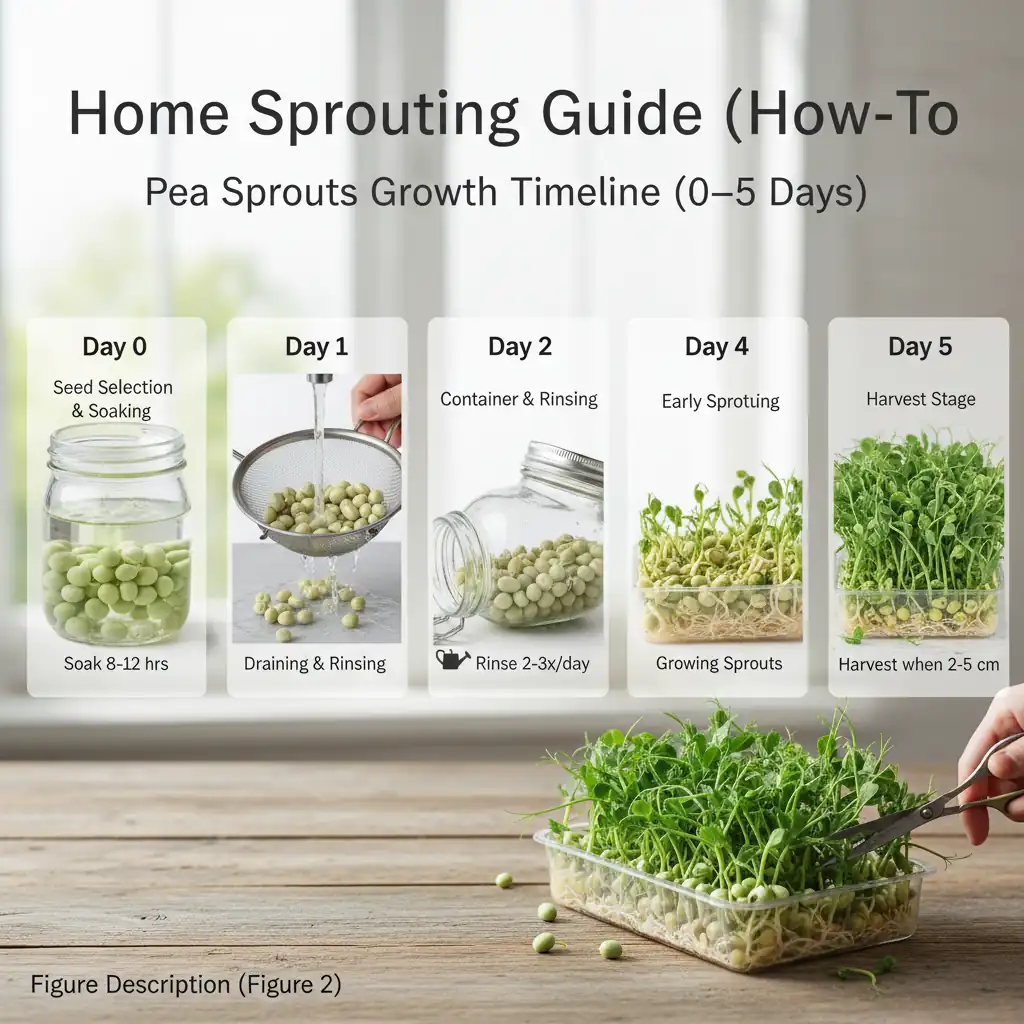
1. Seed Selection: Choose edible, untreated, non-roasted pea seeds.
2. Soaking: Soak pea seeds in clean water for 8–12 hours.
3. Draining and Rinsing: Drain the soaking water, rinse with fresh water, and drain thoroughly.
4. Ventilated Storage: Place seeds in a sprouting tray or jar with a breathable lid.
5. Daily Rinsing: Rinse 2–3 times daily, keeping the sprouts moist but not waterlogged.
6. Sprouting Phase: Harvest is typically possible after 3–5 days, when sprouts reach approximately 2–5 cm in length.
Figure 2: Pea Sprouts Growth Timeline (0–5 Days)
How to Eat Pea Sprouts
Pea sprouts are versatile and can be consumed raw or cooked:
Salads and Sandwiches: Add raw pea sprouts for freshness and texture.
Stir-fries / Sautés: Add near the end of cooking to preserve crispness.
Soups and Stews: Add during the final minutes of cooking to retain nutrients.
Cold Dishes: Combine with other vegetables and light dressings for refreshing preparations.
Always wash thoroughly before eating raw. Light cooking is recommended for high-risk populations.
Nutrition Comparison With Other Sprouts
These rows use the same raw sprouted-food records and 100 g basis as our Sprout Nutrition Comparison Tool.
| Raw sprout (100 g) | Calories | Protein (g) | Fiber (g) | Vitamin C (mg) | Folate (µg) |
|---|---|---|---|---|---|
| Pea Sprouts | 124 | 8.8 | ≈ 3 | 10.4 | 144 |
| Mung Bean Sprouts | 30 | 3.04 | 1.8 | 13.2 | 61 |
| Soybean Sprouts | 122 | 13.09 | 1.1 | 15.3 | 172 |
| Alfalfa Sprouts | 23 | 3.99 | 1.9 | 8.2 | 36 |
| Lentil Sprouts | 106 | 8.96 | ≈ 3.2 | 16.5 | 100 |
| Radish Sprouts | 43 | 3.81 | ≈ 2.3 | 28.9 | 95 |
| Sprouted Wheat | 198 | 7.49 | 1.1 | 2.6 | 38 |
Frequently Asked Questions (FAQ)
Q1: Can I eat pea sprouts every day?
A1: Moderate daily consumption is generally safe for healthy individuals when proper hygiene is observed. High-risk groups should consume them cooked.
Q2: Are pea sprouts the same as pea shoots (pea microgreens)?
A2: No. Pea sprouts are harvested shortly after germination, whereas pea shoots or microgreens are harvested later, after true leaves develop.
Q3: Can children eat pea sprouts?
A3: Children may consume pea sprouts when they are well washed and preferably cooked to reduce potential food safety risks.
Q4: Are pea sprouts more nutritious than mature peas?
A4: Sprouting can increase the bioavailability of certain nutrients, particularly folate and vitamin C, compared with mature peas.
Data Sources
Pea sprouts nutrition data — FoodFact: https://www.foodfact.info/food/pea-sprouts/
Pea sprouts nutrition overview — Healthline: https://www.healthline.com/nutrition/bean-sprouts-nutrition
Sprouting process & yield — Microgreens & Sprouts: https://microgreensandsprouts.com/seed-library/peas/
Sprouts safety considerations — Healthline & WebMD: https://www.healthline.com/nutrition/raw-sprouts
Comparison Tool Data Snapshot
This table is generated from the same data module as the Sprout Nutrition Comparison Tool, so this guide and the interactive comparison stay synchronized. Values are per 100 g fresh weight. “≈” means a species- and stage-matched reference estimate, not a direct measurement of every crop.
| Growth stage | Calories (kcal) | Protein (g) | Fiber (g) | Vitamin C (mg) | Folate (µg) | Iron (mg) | Calcium (mg) | Potassium (mg) |
|---|---|---|---|---|---|---|---|---|
| Whole Sprout | 124 kcal | 8.8 g | ≈ 3 g | 10.4 mg | 144 µg | 2.26 mg | 36 mg | 381 mg |
| Microgreen / Shoot | 33.3 kcal | 6.4 g | ≈ 2.4 g | 70.76 mg | ≈ 180 µg | 1.012 mg | 99.07 mg | 367.33 mg |