What Are Sunflower Sprouts?
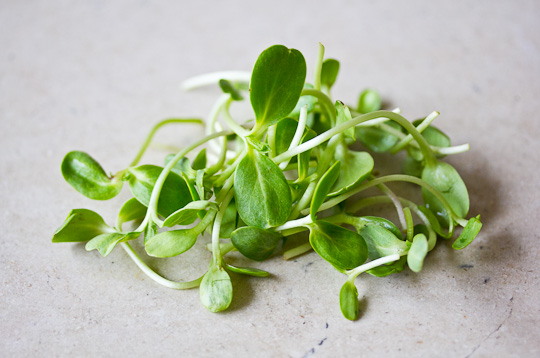
Sunflower sprouts are the young, tender shoots produced by germinating whole, raw sunflower seeds. They are typically harvested when the shoot is 1–2 inches (2–5 cm) long, which usually takes 4–7 days under clean, controlled conditions. It is important to distinguish sunflower sprouts from their more mature counterparts:
Sunflower Sprouts: Harvested early in the germination phase, they are tender, nutrient-rich, and have a mild, nutty flavor.
Sunflower Microgreens: These are harvested at a later stage, after the first true leaves have developed, resulting in a different texture and nutrient profile.
Nutritional Facts
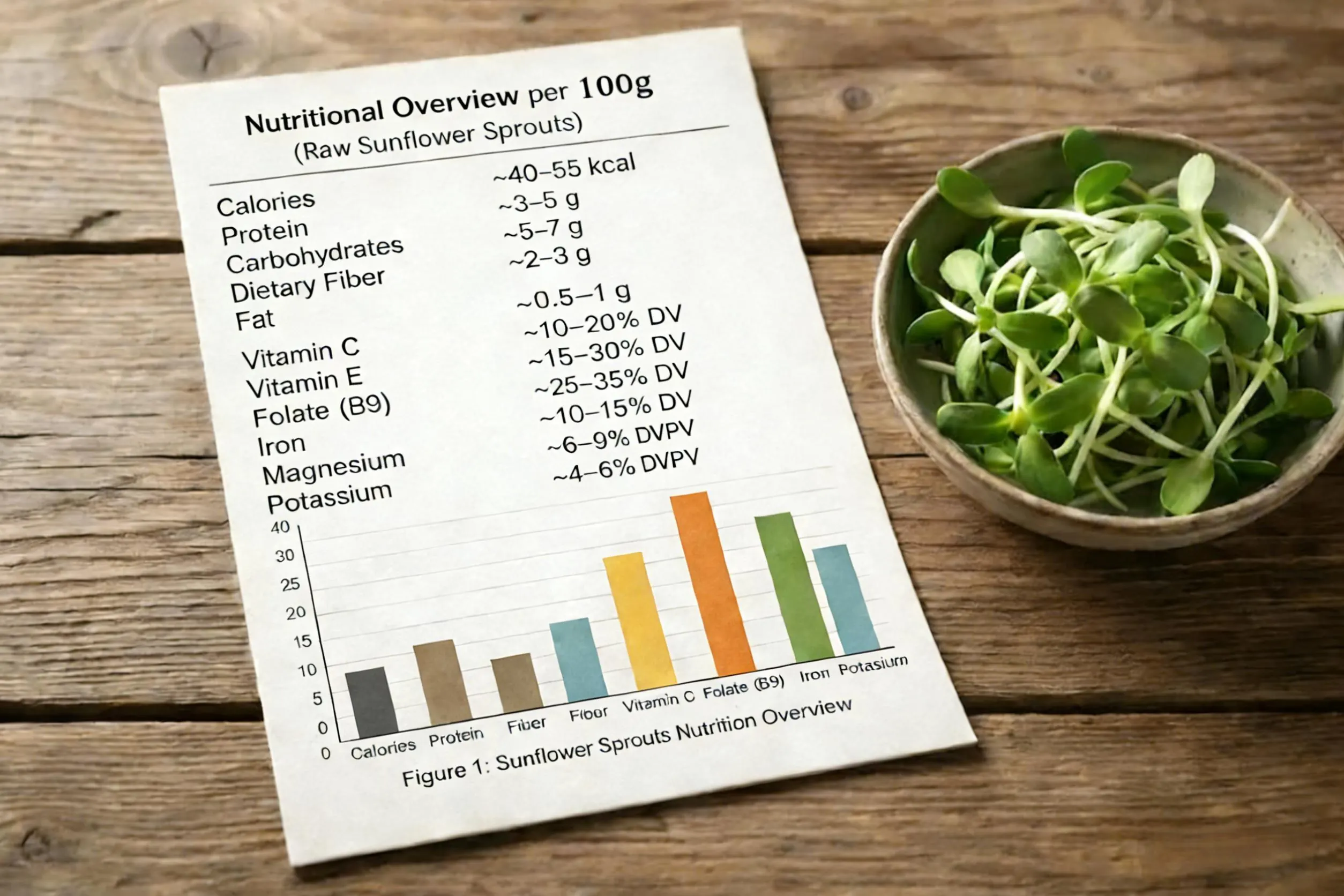
Nutritional Overview per 100g (Raw Sunflower Sprouts)
| Nutrient | Approximate Amount (per 100g) |
|---|---|
| Calories | ~40–55 kcal |
| Protein | ~3–5 g |
| Carbohydrates | ~5–7 g |
| Dietary Fiber | ~2–3 g |
| Fat | ~0.5–1 g |
| Vitamin C | ~10–20% DV |
| Vitamin E | ~15–30% DV |
| Folate (B9) | ~25–35% DV |
| Iron | ~10–15% DV |
| Magnesium | ~6–9% DV |
| Potassium | ~4–6% DV |
Note: Values are approximate averages compiled from the USDA FoodData Central and other published nutrition databases. "DV" refers to the U.S. Daily Value.
Figure 1: Sunflower Sprouts Nutrition Overview
A visual bar chart displaying key metrics: calories, protein, fiber, vitamin E, vitamin C, and folate.
Bioactive Compounds and Functional Nutrition
The sprouting process activates and enhances several beneficial compounds in sunflower seeds:
Antioxidants: Rich in phenolic acids and vitamin E (tocopherols), which help combat oxidative stress.
Enzymes: Germination increases the levels of natural digestive enzymes.
Phytosterols: Plant compounds associated with supporting heart health.
Improved Mineral Bioavailability: Sprouting reduces anti-nutrients like phytic acid, making minerals such as iron and magnesium easier for the body to absorb.
While these compounds are linked to health benefits, more controlled human studies are needed to fully understand their specific effects.
Potential Health Benefits (Evidence-Based)
The following information is based on current nutritional research and is not intended as medical advice.
High in Plant-Based Protein and Healthy Fats
Sunflower sprouts provide a notable amount of plant protein and essential fatty acids, offering a nutrient-dense addition to a balanced diet.
Antioxidant Support
The combination of vitamin E, vitamin C, and phenolic compounds supports the body's cellular defense systems against oxidative damage.
Digestive Health
The dietary fiber in sunflower sprouts can promote regular digestion and support a healthy gut microbiome.
Micronutrient Density
They are a good source of folate and magnesium, nutrients vital for energy metabolism, nervous system function, and tissue repair.
Risks and Food Safety
Risk of Microbial Contamination
Like all sprouts grown in warm, moist conditions, sunflower sprouts can be susceptible to bacterial pathogens such as Salmonella, E. coli, and Listeria. Inadequate hygiene during production has been linked to foodborne illness outbreaks.
Populations at Higher Risk
Vulnerable groups—including pregnant women, the elderly, young children, and immunocompromised individuals—should avoid raw sprouts. Consuming them thoroughly cooked is a safer alternative.
Safe Handling and Preparation
Rinse sprouts thoroughly under clean, running water before consumption.
Store sprouts in the refrigerator and use them promptly.
Light cooking methods like steaming or sautéing can significantly reduce microbial risks.
These practices align with safety guidelines from health agencies like the CDC and FDA.
How to Grow Sunflower Sprouts at Home
Sunflower sprouts are popular for home growing due to their reliable germination and pleasant taste.
What You Need
Edible-grade, raw, and untreated sunflower seeds (labeled for sprouting).
A sprouting jar, tray, or container with a breathable cover.
Clean water.
Standard Sprouting Steps
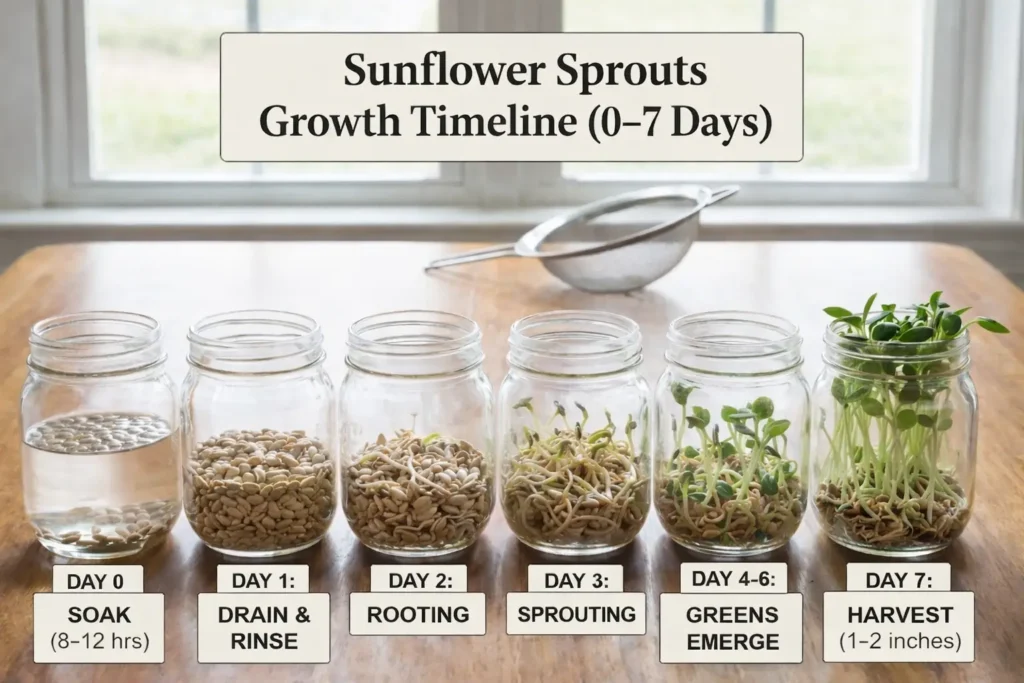
1. Soaking: Rinse the seeds and soak them in clean water for 8–12 hours.
2. Drain & Rinse: Drain all water and rinse the seeds thoroughly.
3. Sprouting Container: Transfer the drained seeds to your sprouting container.
4. Daily Rinsing: Rinse the seeds 2–4 times daily to keep them moist but not waterlogged.
5. Harvest: In 4–7 days, when shoots are 1–2 inches long, your sprouts are ready to harvest.
Figure 2: Sunflower Sprouts Growth Timeline (0–7 Days)
A visual timeline illustrating the key stages of growth from soaked seed to harvest.
How to Eat Sunflower Sprouts
Sunflower sprouts are versatile and can be enjoyed in many ways:
Salads and Sandwiches: Add a fresh, crunchy texture and nutritional boost.
Stir-fries: Toss in during the last minute of cooking.
Smoothies: Blend into green smoothies for added vitamins.
Grain Bowls: Use as a nutritious topping for bowls and salads.
Always wash sprouts thoroughly. Those with sensitive digestion may prefer them lightly cooked.
Sunflower Sprouts vs. Other Common Sprouts
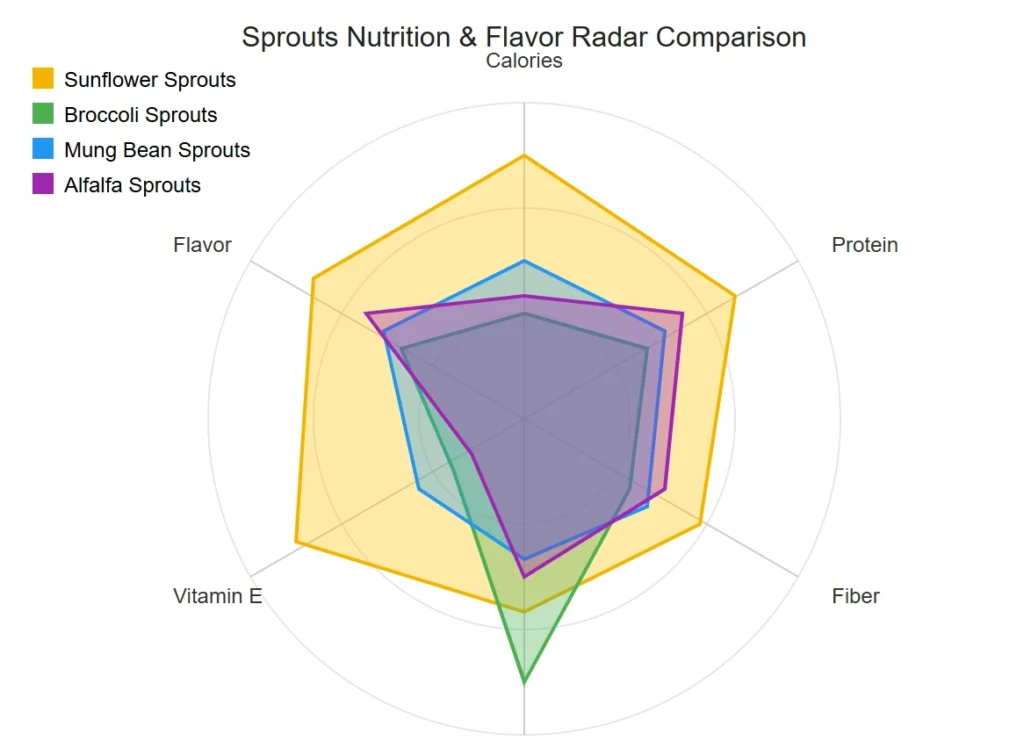
| Metric | Sunflower Sprouts | Broccoli Sprouts | Mung Bean Sprouts | Alfalfa Sprouts |
|---|---|---|---|---|
| Calories (per 100g) | ~40–55 kcal | ~20 kcal | ~30 kcal | ~23 kcal |
| Protein | ~3–5 g | ~2.8 g | ~3.0 g | ~4.0 g |
| Fiber | ~2–3 g | ~1.1 g | ~1.8 g | ~1.9 g |
| Vitamin C | Moderate | High | Moderate | Low–Moderate |
| Vitamin E | High | Low | Low | Low |
| Flavor Profile | Mild, nutty | Fresh, green | Sweet, crunchy | Mild, nutty |
Figure 3: Sprouts Nutrition & Flavor Radar Comparison
A radar chart comparing the nutritional and flavor profiles of common sprout varieties.
Compare Nutritional Profiles of Different Sprouts
While we’ve summarized key nutrients for several sprouts above, individual sprouts can vary in nutrient content. To explore and compare the nutritional profiles of multiple sprouts interactively, try our Sprout Nutrition Comparison Tool. This tool allows you to see calories, protein, fiber, vitamins, and more for each type of sprout, helping you make informed dietary choices.
Frequently Asked Questions (FAQ)
Q1: Can sunflower sprouts be eaten every day?
A1: For most healthy individuals, moderate daily consumption is safe with proper washing. Those in higher-risk groups should opt for cooked sprouts.
Q2: Are sunflower sprouts the same as sunflower microgreens?
A2: No. They are different growth stages. Sunflower sprouts are harvested earlier as young shoots, while microgreens are harvested later, after true leaves develop.
Q3: Can children eat sunflower sprouts?
A3: Yes, if they are washed thoroughly. For an extra margin of safety, lightly cooking the sprouts is a good option for children.
Q4: How should sunflower seeds for sprouting be selected?
A4: Always choose raw, untreated seeds specifically labeled for sprouting. Avoid roasted, salted, or otherwise processed seeds, as they will not germinate.
References & Data Sources
- USDA FoodData Central – https://fdc.nal.usda.gov/
- Healthline Sprouts Nutrition overview – https://www.healthline.com/nutrition/bean-sprouts-nutrition
- WebMD Sprouts Food Safety – https://www.webmd.com/diet/sprouts-good-for-you
- CDC Sprouts Safety – https://www.cdc.gov/foodsafety/communication/sprouts.html
- FDA Sprouts Guidance – https://www.fda.gov/food/buy-store-serve-safe-food/sprouts-what-you-should-know
Comparison Tool Data Snapshot
This table is generated from the same data module as the Sprout Nutrition Comparison Tool, so this guide and the interactive comparison stay synchronized. Values are per 100 g fresh weight. “≈” means a species- and stage-matched reference estimate, not a direct measurement of every crop.
| Growth stage | Calories (kcal) | Protein (g) | Fiber (g) | Vitamin C (mg) | Folate (µg) | Iron (mg) | Calcium (mg) | Potassium (mg) |
|---|---|---|---|---|---|---|---|---|
| Whole Sprout | ≈ 46 kcal | ≈ 3.2 g | ≈ 2.5 g | 9.7 mg | ≈ 66 µg | ≈ 2.5 mg | ≈ 79 mg | ≈ 280 mg |
| Microgreen / Shoot | 55.5 kcal | 3.6 g | ≈ 3.1 g | 67.55 mg | ≈ 75 µg | 0.524 mg | 148.63 mg | 273.47 mg |