Introduction
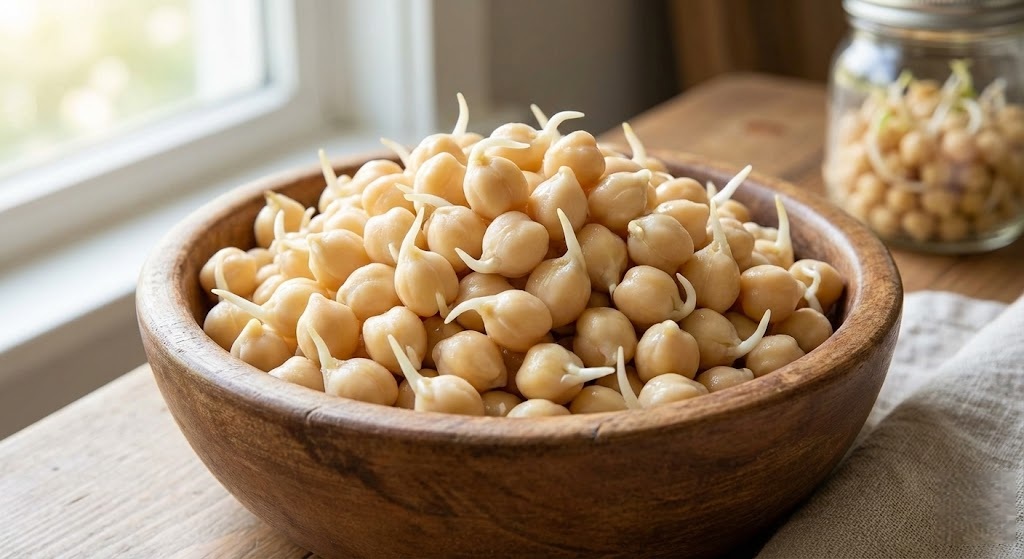
Chickpea sprouts are one of the most underestimated legume sprouts in home sprouting culture. While mung bean and lentil sprouts are widely known for their speed and ease, chickpea sprouts offer a distinct nutritional profile, firmer texture, and deeper flavor that appeals to people looking for heartier, protein-rich plant foods.
Sprouting chickpeas at home transforms a dry, dense legume into a living food with improved digestibility, enhanced mineral availability, and active enzymes. However, chickpeas also differ from smaller seeds in important ways — they require longer soaking, stricter hygiene, and more careful handling, especially when eaten raw.
Pro Tip: Before you start growing, you can use our Sprout Nutrition Comparison Tool to see exactly how chickpea sprouts stack up against other superfoods like mung beans or radish sprouts.
This guide provides a complete, evidence-based approach to growing chickpea sprouts safely and successfully at home. Whether you are new to sprouting or expanding beyond basic sprouts, this article will walk you through everything you need to know, from seed selection to storage, nutrition, and food safety.
What Are Chickpea Sprouts?
Definition & Basic Characteristics
Chickpea sprouts are germinated chickpea seeds (Cicer arietinum) that have begun early growth after soaking and rinsing in water. During sprouting, the seed activates metabolic pathways that break down stored starches and proteins to support growth.
Compared to dry chickpeas, sprouts are:
- Softer and easier to digest.
- Slightly sweet with a mild nutty flavor.
- Higher in enzymatic activity.
- Lower in certain anti-nutrients.
Unlike leafy sprouts (like alfalfa), you consume the entire sprout, including the hydrated seed and the short emerging root. The edible portion is essentially the "activated" seed itself, offering a denser, more satisfying texture than green shoots.
Chickpea Sprouts vs Other Common Sprouts
Chickpea sprouts behave differently from smaller legume sprouts due to seed size, density, and composition.
Chickpea vs Mung Bean Sprouts
Chickpeas sprout more slowly and produce shorter roots. Mung beans are typically eaten for their long white stems, while chickpeas are valued for the nutritional change in the bean itself.
Chickpea vs Lentil Sprouts
Lentils sprout faster and more uniformly. Chickpeas provide a denser texture and higher satiety per serving, making them ideal for main courses.
Chickpea vs Soy Sprouts
Soy sprouts grow long hypocotyls, while chickpeas remain compact. Chickpea sprouts are easier to grow at home without specialized, heavy-duty trays.
Nutritional Profile of Chickpea Sprouts
Key Macronutrients
On a fresh-weight basis, chickpea sprouts typically provide:
- Protein: ~6–7 g per 100 g
- Carbohydrates: ~5–10 g per 100 g
- Dietary fiber: ~2–4 g per 100 g
- Fat: ~0.3–0.6 g per 100 g
Sprouting improves amino acid accessibility and reduces protein-binding anti-nutrients. To see a detailed breakdown of these vitamins compared to other legumes, try our Nutrition Tracker.
Digestibility & Anti-Nutrients
One of the major benefits of sprouting chickpeas is the reduction of phytic acid, a compound that binds minerals like iron and zinc. Studies show that 2–4 days of germination can significantly reduce phytic acid levels, making the minerals more available for absorption.
Are Chickpea Sprouts Safe to Eat Raw?
This is one of the most important — and most overlooked — questions. Chickpeas naturally contain lectins and trypsin inhibitors, which can interfere with digestion when consumed raw in large amounts.
Key safety considerations:
- Raw chickpea sprouts are best consumed in small quantities.
- Light cooking (steaming or stir-frying) significantly improves safety and digestibility.
- People with sensitive digestion or weakened immunity should avoid raw chickpea sprouts.
How to Grow Chickpea Sprouts (Step-by-Step)
Step 1: Sorting & Rinsing
Remove damaged seeds and rinse thoroughly to remove dust. Use only whole, raw chickpeas.
Step 2: Soaking Chickpeas (8–12 Hours)
Soak in clean water for 8–12 hours at room temperature. Chickpeas are dense and require more hydration than smaller seeds to "wake up."
Step 3: Sprouting Phase (Rinse 2-3x Daily)
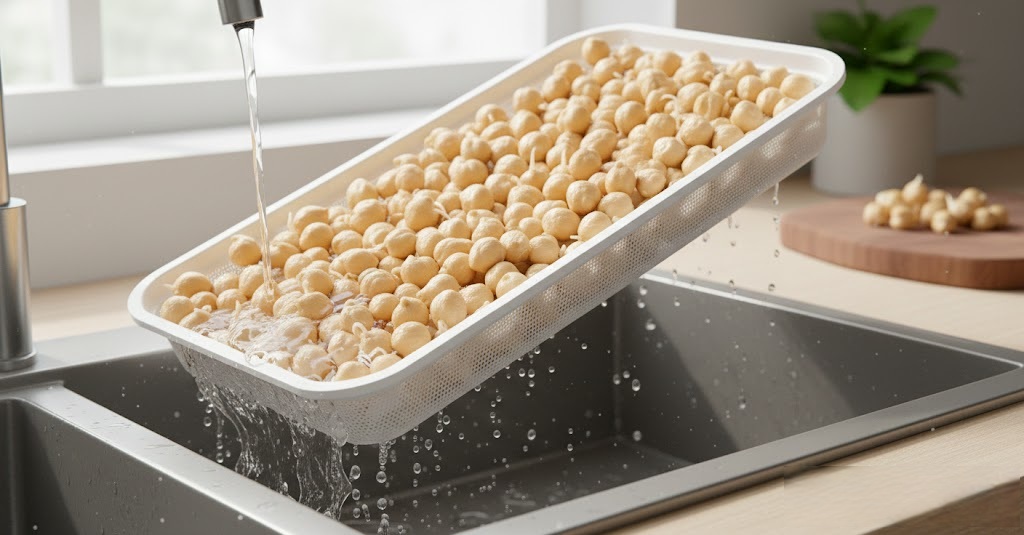
Rinse and drain 2–3 times daily. Good airflow is critical; avoid airtight containers that trap heat and moisture, which leads to fermentation.
Step 4: When to Stop (The 2–4 mm Rule)
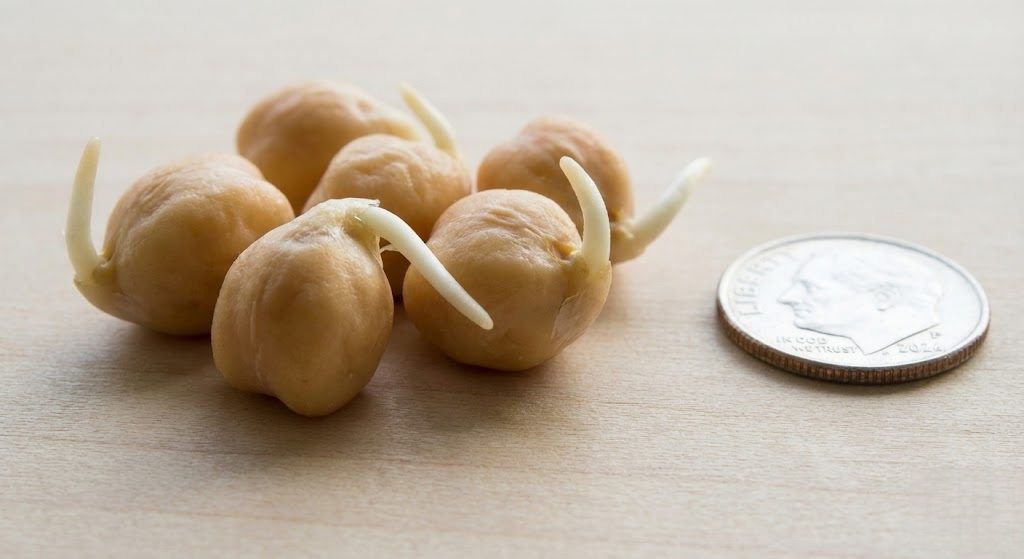
The ideal stage is when the tiny white root is only 2–4 mm long. At this "golden stage," the bean is at its peak sweetness and nutritional density. If you wait for the sprouts to grow longer, the seed will become tough, starchy, and eventually bitter.
Chickpea Sprouts Growth Timeline
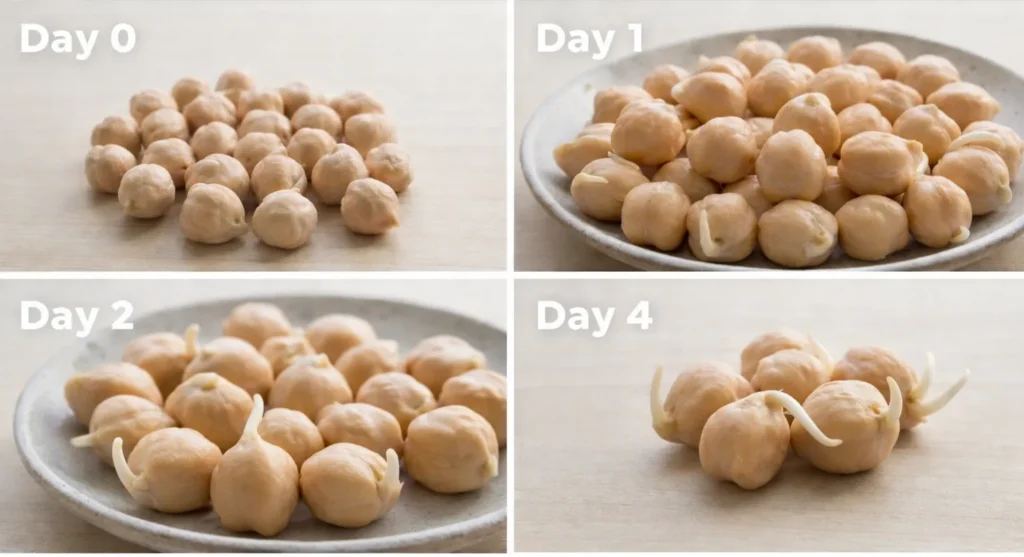
- Day 0: Dry chickpeas.
- Day 1: Fully hydrated seeds (noticeably swollen).
- Day 2: Small white "tails" (root tips) begin to emerge.
- Day 3–4: Harvest-ready. Sprouts are 2–4 mm long.
- Day 5+: Texture hardens, flavor declines, and risk of spoilage increases.
Common Problems & How to Fix Them
Sour Smell
Cause: Inadequate drainage or high temperatures.
Fix: Increase rinsing frequency and ensure the seeds are completely drained after each rinse.
Uneven Sprouting
Cause: Poor seed quality or some seeds being "dead."
Fix: Always source high-quality, organic chickpeas labeled for sprouting.
How to Eat Chickpea Sprouts
Raw Uses (With Caution)
- Sprinkle small amounts in salads for a nutty crunch.
- Blended into a raw, sprouted hummus.
Cooked Uses (Recommended)
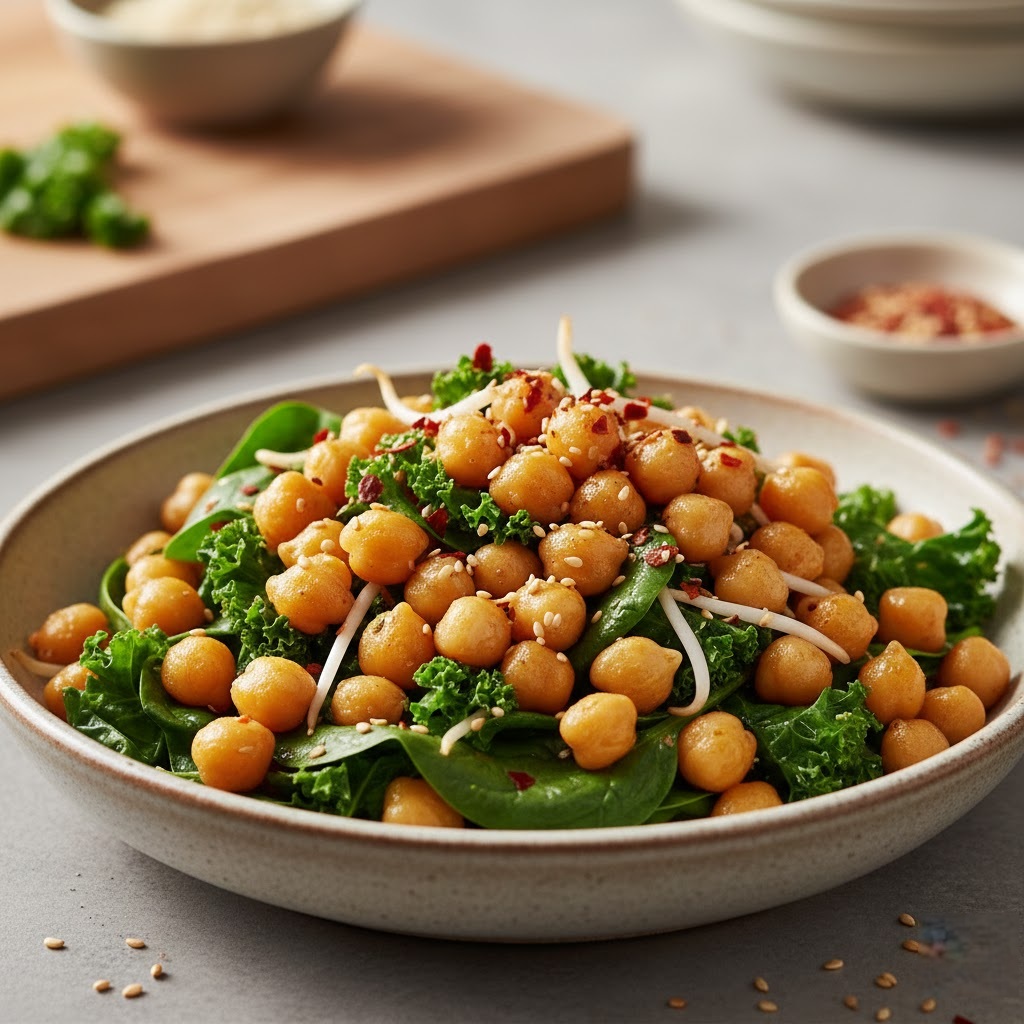
- Light stir-fry: Toss with garlic and olive oil for 2-3 minutes.
- Steaming: Steam for 5 minutes to soften the seed while preserving enzymes.
- Soups/Stews: Add them in the last 5 minutes of cooking.
Frequently Asked Questions (FAQ)
Can you sprout store-bought chickpeas?
Yes, as long as they are raw and untreated. If they have been heat-treated for long-term storage, they will not germinate.
Do I eat the bean or just the sprout?
You eat the entire thing. The sprouted bean is where most of the protein and fiber reside.
Which sprout is the most nutritious?
Every sprout has a different profile. You can compare chickpea sprouts with over 20 other varieties using our Comparison Tool.
Final Thoughts
Chickpea sprouts are a nutrient-dense bridge between raw sprouts and cooked legumes. When harvested at the 2–4 mm stage, they offer the perfect balance of sweetness, texture, and digestibility. For the best culinary and safety experience, remember to lightly cook your harvest to unlock its full potential.
References & Data Sources
- USDA FoodData Central
https://fdc.nal.usda.gov - FAO – Pulses and Legumes Nutrition
https://www.fao.org/pulses - Journal of Food Science – Effects of Germination on Legumes
https://ift.onlinelibrary.wiley.com - EFSA – Food Safety of Sprouted Seeds
https://www.efsa.europa.eu