Alfalfa Sprouts Benefits
A Clear, Evidence-Aware Guide to Nutrition, Safety, and Everyday Uses
Alfalfa sprouts have a reputation that swings in two directions at once.
Some people talk about them like a miracle food. Others hear “raw sprouts” and immediately think of food safety warnings. The truth sits in the middle. Alfalfa sprouts can be a fresh, nutrient-dense addition to meals, but they are not magic, and they are not risk-free.
If you are searching for the real benefits of alfalfa sprouts, the most useful answer is this: they are extremely low in calories, offer vitamin K and several other micronutrients, contain natural plant compounds, and make it easier to add fresh crunch to sandwiches, wraps, salads, and grain bowls. At the same time, raw sprouts are one of the produce categories most often linked to bacterial contamination, which matters for some people more than others.
This guide breaks down what alfalfa sprouts may help with, what the nutrition actually looks like, which claims are overstated, how to eat them safely, and who should skip them altogether.
Contents
- 1 Quick Answer
- 2 What Are Alfalfa Sprouts?
- 3 Alfalfa Sprouts Nutrition Facts
- 4 9 Alfalfa Sprouts Benefits
- 5 Are Alfalfa Sprouts Actually a Superfood?
- 6 Potential Risks and Side Effects
- 7 Best Ways to Eat Alfalfa Sprouts
- 8 How to Buy and Store Alfalfa Sprouts
- 9 Alfalfa Sprouts vs. Other Sprouts
- 10 Frequently Asked Questions
- 11 Final Thoughts
- 12 Data Sources
Quick Answer
Alfalfa sprouts are healthy for many adults because they are low in calories and provide vitamin K, folate, small amounts of vitamin C, and beneficial plant compounds. Their main practical benefits are adding nutrients and texture to meals without many calories, helping people eat more fresh vegetables, and contributing antioxidants as part of a balanced diet.
However, raw alfalfa sprouts also carry a real food safety risk. The U.S. Food and Drug Administration advises children, pregnant women, older adults, and people with weakened immune systems to avoid raw or lightly cooked sprouts of any kind, including alfalfa.
What Are Alfalfa Sprouts?
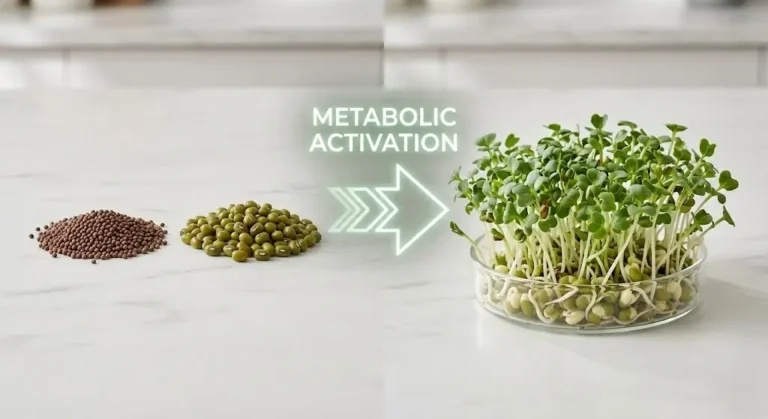
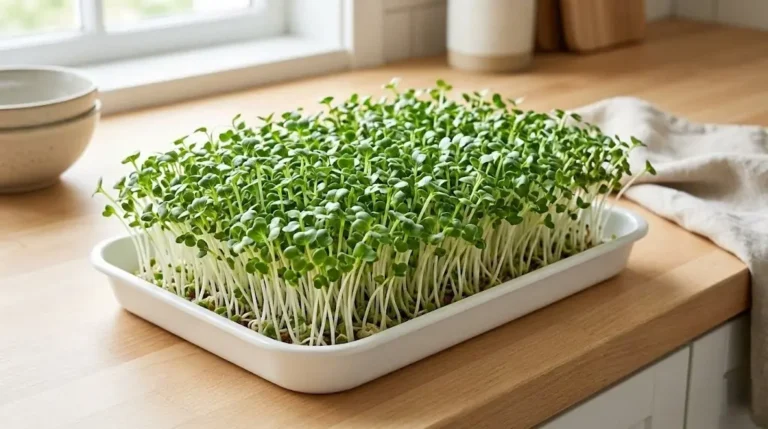
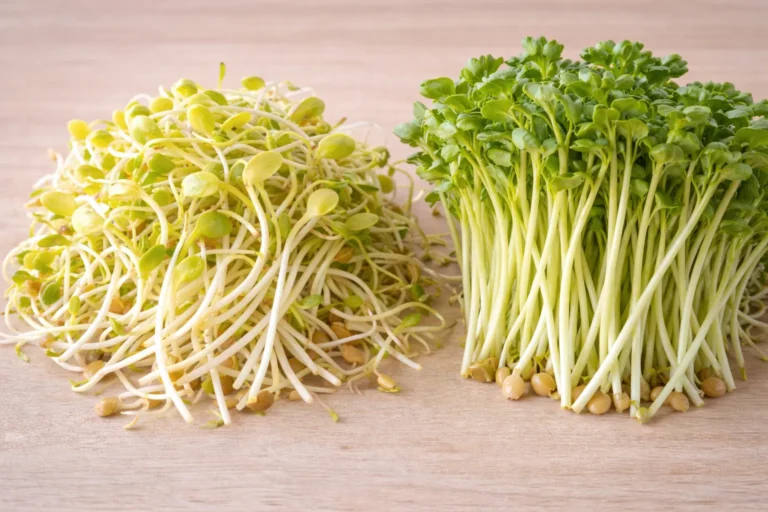
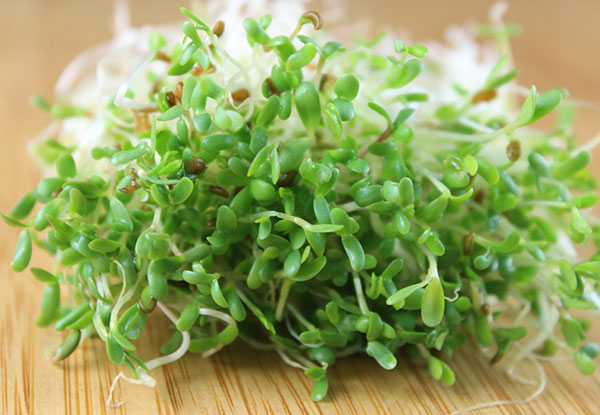
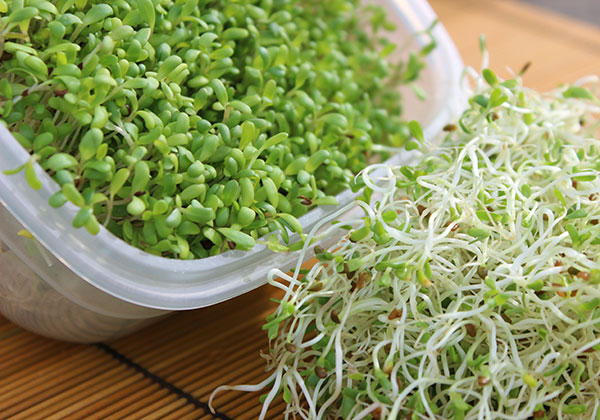
Alfalfa sprouts are the young shoots of Medicago sativa, a legume also known as lucerne. They are usually harvested just a few days after germination, when the thin white shoots are tender and the small leaves are just beginning to open.
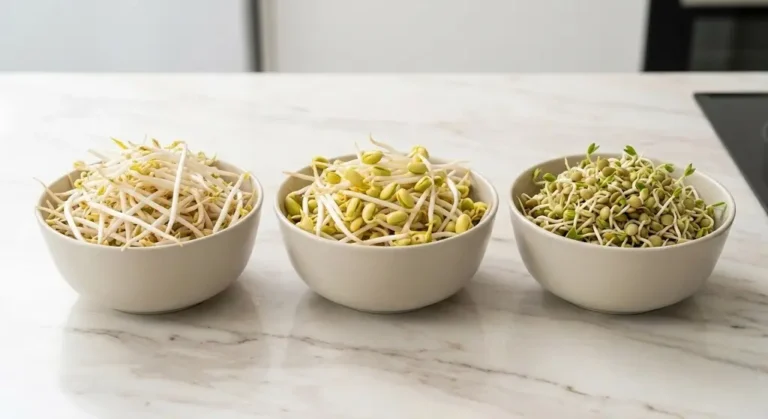
Compared with bean sprouts, alfalfa sprouts are finer, lighter, and more delicate. Their flavor is mild, slightly nutty, and a little grassy, which is why they are often used raw in sandwiches and salads rather than stir-fries.
They are not the same thing as mature alfalfa leaves sold in teas, powders, or supplements. That distinction matters because some health claims online refer to alfalfa supplements or animal studies, not necessarily to the fresh sprouts people eat on a sandwich.
Alfalfa Sprouts Nutrition Facts
Alfalfa sprouts are mostly water, which helps explain why they are so light and low in calories.
According to USDA FoodData Central data commonly cited for raw alfalfa sprouts, 1 cup (about 33 grams) provides roughly:
| Nutrient | Amount per cup | Why It Matters |
|---|---|---|
| Calories | 8 | Very low-energy food |
| Protein | 1.3 g | Small boost from a plant food |
| Carbohydrates | 0.7 g | Very low carb |
| Fiber | 0.6 g | Modest digestive support |
| Vitamin K | about 10 mcg | Supports normal blood clotting and bone health |
| Folate | about 12 mcg | Important for cell growth and DNA synthesis |
| Vitamin C | about 1 mg | Antioxidant support |
That does not make alfalfa sprouts a nutritional powerhouse on the level of spinach, kale, or broccoli. But it does make them a smart “bonus food”: one that adds freshness, micronutrients, and volume to meals for almost no calories.
9 Alfalfa Sprouts Benefits
1. They are very low in calories
This is one of the clearest benefits and one of the least hyped.
Alfalfa sprouts add bulk, crunch, and visual freshness to meals without adding much energy density. If you are trying to build lighter sandwiches, wraps, burgers, or salad bowls, they help food feel more substantial without pushing calories up very much.
That does not mean they cause weight loss on their own. It means they fit well into an eating pattern built around lower-calorie, higher-volume foods.
2. They provide vitamin K and other micronutrients
Alfalfa sprouts are not loaded with every nutrient under the sun, but they do contribute useful amounts of vitamin K along with smaller amounts of folate, vitamin C, and some minerals.
Vitamin K matters for normal blood clotting and bone metabolism. Folate supports new cell formation. Vitamin C helps with antioxidant defense and collagen production. The amounts are not huge per serving, but they can add up when sprouts are part of a diet rich in vegetables.
3. They contain antioxidant plant compounds
Alfalfa contains naturally occurring phytochemicals, including saponins, flavonoids, and phytoestrogen-related compounds such as coumestrol. Researchers are interested in these compounds because they may help protect cells from oxidative stress.
That said, most of the stronger claims come from lab studies, animal studies, or research on alfalfa extracts and supplements rather than everyday servings of fresh sprouts. So it is reasonable to say alfalfa sprouts contribute beneficial plant compounds, but not reasonable to present them as a proven disease-fighting food.
4. They may support heart-healthy eating habits
Alfalfa sprouts can support heart health in a practical, food-pattern sense.
They make it easier to replace heavier toppings with a fresh, low-calorie vegetable. They work well in place of some cheese, mayo-heavy fillers, or refined snack foods. They also contribute plant compounds that researchers continue to study for their possible role in cholesterol metabolism.
Some alfalfa research has explored cholesterol effects, but much of that evidence involves alfalfa plant material, extracts, or animal models rather than standard servings of fresh sprouts. So the strongest claim here is not “alfalfa sprouts lower cholesterol,” but rather “alfalfa sprouts fit well into a heart-friendly dietary pattern.”
5. They can help you eat more fresh produce
One underrated benefit of alfalfa sprouts is behavioral: they make healthy meals easier to enjoy.
Many people struggle not because they lack nutrition information, but because healthy meals feel repetitive. Alfalfa sprouts add crispness, moisture, lift, and a clean flavor to food without much prep. That can make salads, sandwiches, wraps, avocado toast, and rice bowls more appealing, which may help you eat more vegetables overall.
6. They add a small amount of plant protein
Alfalfa sprouts are not a high-protein food, but they do provide a modest amount of protein for such a low-calorie ingredient.
That makes them useful as a supporting ingredient in plant-forward meals. If you are building a sandwich with hummus, tofu, egg, tuna, or chicken, sprouts can round out the texture while adding a little extra protein and micronutrient value.
7. They offer a fresh, crunchy alternative to processed toppings
A handful of alfalfa sprouts can replace less nutritious toppings that are high in sodium, saturated fat, or added calories.
Used well, they can stand in for part of the cheese in a sandwich, some crispy fried toppings on a bowl, or part of a creamy layer in a wrap. They are not a direct nutritional substitute for every ingredient, but they can help shift the overall meal in a lighter direction.
8. They are easy to pair with many diets
Alfalfa sprouts work well in vegetarian, vegan, Mediterranean-style, low-calorie, and many low-carb meal patterns. Because the flavor is mild, they are easy to add without changing the whole character of a dish.
That versatility matters. A healthy food people actually use often is more valuable than a “superfood” that sits untouched in the refrigerator.
9. They may provide phytoestrogen compounds, but this area is nuanced
Alfalfa sprouts contain phytoestrogen-related compounds, and that is one reason they are sometimes discussed in relation to menopause, hormones, or women’s health.
This is also where online content often gets sloppy.
Phytoestrogens do not act like prescription estrogen, and evidence for meaningful symptom relief from specific foods is mixed. It is fair to note that alfalfa contains compounds researchers study for hormone-related effects. It is not fair to promise that alfalfa sprouts will balance hormones or treat menopausal symptoms.
Are Alfalfa Sprouts Actually a Superfood?
Not in the magical, internet-marketing sense.
They are a useful fresh food with several genuine advantages:
- very low calories
- pleasant texture
- some vitamin K and folate
- natural plant compounds
- easy meal versatility
But they are not a cure-all, and they are not the most nutrient-dense vegetable you can eat ounce for ounce. If you already eat a wide range of vegetables, alfalfa sprouts are a nice addition, not the center of the story.
Potential Risks and Side Effects
This section matters just as much as the benefits section.
1. Raw sprout food safety risk
Raw sprouts, including alfalfa sprouts, have been linked to foodborne illness outbreaks. The reason is built into the sprouting process itself: warm, moist conditions that help seeds sprout can also help bacteria multiply.
Even careful rinsing does not guarantee safety, because contamination can begin in or on the seed before sprouting starts.
2. Some people should avoid raw alfalfa sprouts
The FDA advises these groups to avoid raw or lightly cooked sprouts:
- pregnant women
- children
- older adults
- people with weakened immune systems
That includes people undergoing cancer treatment, living with certain chronic illnesses, or taking medicines that significantly suppress immunity.
3. Vitamin K can matter if you take blood thinners
Because alfalfa sprouts contain vitamin K, people taking warfarin or similar medications should be careful about major swings in vitamin K intake. The issue is not that alfalfa sprouts are “bad,” but that consistency matters when managing those medicines.
4. Autoimmune and supplement-related concerns
Some alfalfa safety concerns online refer more to alfalfa supplements, seeds, or concentrated products than to small servings of fresh sprouts. There have also been concerns around alfalfa and autoimmune conditions, especially when large amounts or supplement forms are involved.
Anyone with lupus, another autoimmune disorder, or medication concerns should talk with a clinician before using alfalfa supplements. Fresh culinary servings are a different exposure level, but caution is still wise.
Best Ways to Eat Alfalfa Sprouts
Alfalfa sprouts are usually best when treated like a finishing ingredient.
Try them:
- in turkey, chicken, tuna, or veggie sandwiches
- layered into wraps or pita pockets
- on avocado toast
- in salads with cucumber, radish, and lemon dressing
- on grain bowls with quinoa, chickpeas, and tahini
- tucked into burgers for extra crunch
- on top of soups after cooking, if you want a fresh garnish
Because they are delicate, they wilt quickly under high heat. If you want to reduce raw-sprout risk, lightly cooking them is safer than eating them raw, though many people prefer the texture uncooked.
How to Buy and Store Alfalfa Sprouts
When buying alfalfa sprouts:
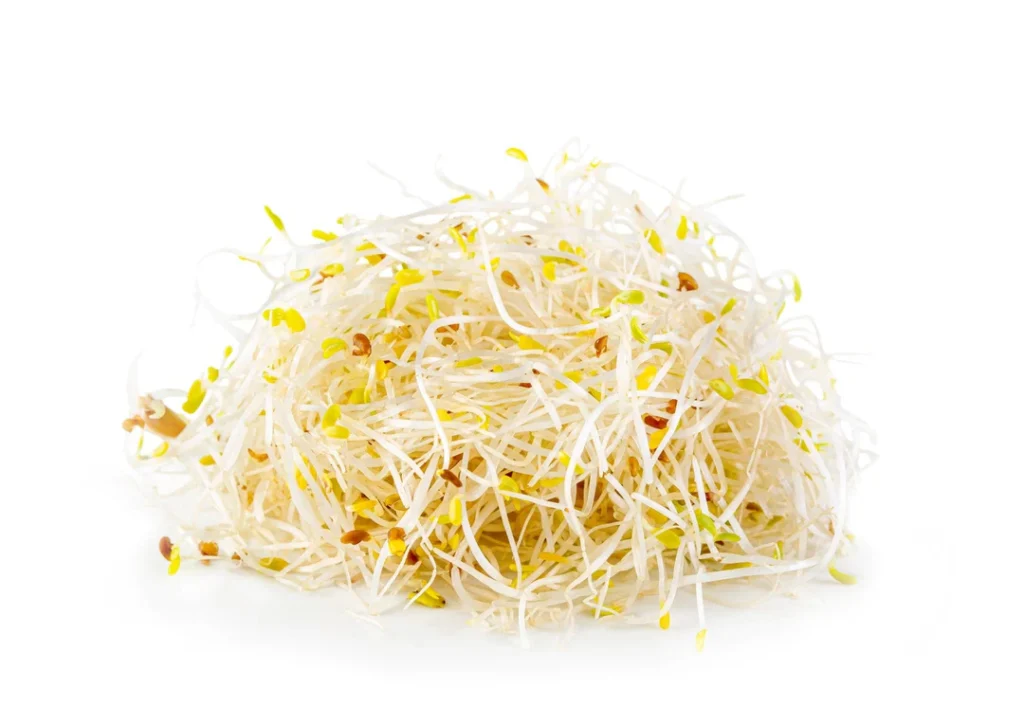
- choose packages that look crisp, dry, and fresh
- avoid sprouts that look slimy, dark, or sour-smelling
- keep them refrigerated
- use them quickly
Rinse just before using, and do not leave them sitting warm on the counter for long periods.
If you grow them at home, remember that home sprouting does not eliminate the bacterial risk. Food safety starts with the seed, not just the kitchen.
Alfalfa Sprouts vs. Other Sprouts
Different sprouts have different strengths.
| Type | Flavor | Main Strength | Main Caution |
|---|---|---|---|
| Alfalfa sprouts | Mild, grassy, crisp | Very light, easy in sandwiches and salads | Raw sprout food safety risk |
| Broccoli sprouts | Peppery | Studied heavily for sulforaphane | Stronger flavor, still a raw sprout risk |
| Mung bean sprouts | Juicy, bean-like | Great in stir-fries and noodles | Often safer cooked than raw |
| Clover sprouts | Mild | Similar sandwich use to alfalfa | Same raw sprout safety concern |
If your goal is flavor flexibility, alfalfa sprouts are among the easiest to use. If your goal is a heavily researched phytochemical profile, broccoli sprouts usually get more attention in the scientific literature.
Frequently Asked Questions
Are alfalfa sprouts good for you?
Yes, alfalfa sprouts can be good for you because they are low in calories and provide vitamin K, folate, and plant compounds. But they are not risk-free, especially when eaten raw.
What are the main benefits of alfalfa sprouts?
Their main benefits are adding freshness and crunch with very few calories, contributing some micronutrients, and helping make vegetable-rich meals more appealing.
Do alfalfa sprouts help with weight loss?
Not directly. They do not burn fat or speed metabolism in any meaningful proven way. What they can do is help you build lower-calorie meals that still feel satisfying.
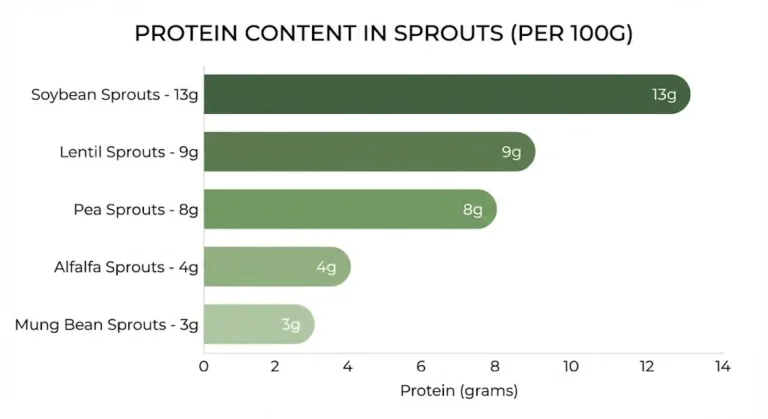
Are alfalfa sprouts high in protein?
No, not compared with foods like beans, tofu, eggs, Greek yogurt, or meat. They contain a little protein, but they should be treated as a light supporting ingredient, not a primary protein source.
Can you eat alfalfa sprouts every day?
Many healthy adults can eat them regularly, but variety is still a better approach than relying on any single food daily. If you are in a high-risk group for foodborne illness, raw sprouts are not recommended.
Who should not eat alfalfa sprouts?
Pregnant women, young children, older adults, and people with weakened immune systems should avoid raw or lightly cooked alfalfa sprouts. People taking blood thinners or managing autoimmune conditions should also use extra caution.
Are alfalfa sprouts better raw or cooked?
Raw alfalfa sprouts keep their classic crisp texture, but cooked sprouts are safer from a food safety perspective. If safety is your top priority, lightly cooking them is the better choice.
What is the healthiest way to eat alfalfa sprouts?
Use them in meals that already contain other nutrient-dense foods, such as whole grains, beans, eggs, fish, lean proteins, nuts, seeds, and other vegetables. That gives you the most balanced nutritional payoff.
Final Thoughts
The best way to think about alfalfa sprouts is not as a miracle food, but as a smart, fresh ingredient.
They are light, crisp, versatile, and genuinely useful in a healthy diet. They offer some micronutrients and plant compounds, and they can make simple meals feel brighter and more complete. That alone is a real benefit.
Just keep the bigger picture in view. Alfalfa sprouts are most helpful when they are part of an overall diet rich in vegetables, legumes, fruit, whole grains, and quality proteins. And for anyone in a higher-risk group, the safety warning matters more than the wellness hype.
Data Sources
- USDA FoodData Central nutrition data for raw alfalfa sprouts
- FDA, “Selecting and Serving Produce Safely” https://www.fda.gov/food/buy-store-serve-safe-food/selecting-and-serving-produce-safely
- FDA, “Fruits, Veggies and Juices (Food Safety for Moms-to-Be)” https://www.fda.gov/food/people-risk-foodborne-illness/fruits-veggies-and-juices-food-safety-moms-be
- FDA, “Guidance for Industry: Standards for the Growing, Harvesting, Packing, and Holding of Sprouts for Human Consumption” https://www.fda.gov/media/102430/download
- Healthline, “Alfalfa: Benefits, Nutrition Facts & Side Effects” https://www.healthline.com/nutrition/alfalfa
- WebMD, “Health Benefits of Alfalfa” https://www.webmd.com/diet/health-benefits-alfalfa
- PubMed, “Interactions of alfalfa plant and sprout saponins with cholesterol in vitro and in cholesterol-fed rats” https://pubmed.ncbi.nlm.nih.gov/6720621/
- PubMed, “Use of Plant-Based Therapies and Menopausal Symptoms: A Systematic Review and Meta-analysis” https://pubmed.ncbi.nlm.nih.gov/27327802/
- Wikimedia Commons image: “Alfalfa_CDC.jpg” https://commons.wikimedia.org/wiki/Medicago_sativa
- Wikimedia Commons image: “Medicago sativa (alfalfa).jpg” https://commons.wikimedia.org/wiki/Medicago_sativa