How to Cook Bean Sprouts
A crisp, safe, not-soggy guide for stir-fry, blanching, soups, noodles, and meal prep
Bean sprouts look simple, but they punish vague cooking advice.
Cook them too gently and they release water into the pan. Cook them too long and the crisp stems go limp. Add sauce too early and the dish turns soupy. Eat them raw or barely warmed and, for some people, the food safety risk matters more than the crunch.
The useful answer is not just “saute them for 5 minutes.” Bean sprouts can be stir-fried, blanched, steamed, simmered in soup, tucked into fried rice, folded into noodles, or cooked as a Korean-style seasoned side dish. The right method depends on the dish you want, the type of sprout you bought, and whether you need them crisp, tender, or thoroughly cooked.
This guide gives you exact timing, a no-soggy stir-fry method, a blanching method for salads and side dishes, when to add sprouts to soups and noodles, how to handle food safety, and what to do when your sprouts smell off, look wet, or turn brown.
Contents
- 1 Quick Answer
- 2 The Best Method Depends on the Dish
- 3 What Other Guides Get Right, and What They Miss
- 4 How to Buy Good Bean Sprouts
- 5 How to Prep Bean Sprouts Before Cooking
- 6 Method 1: Crisp Stir-Fried Bean Sprouts
- 7 The Anti-Soggy Rules
- 8 Method 2: Blanched Bean Sprouts for Salads and Korean-Style Sides
- 9 Method 3: Bean Sprouts in Soup
- 10 Method 4: Bean Sprouts in Noodles, Fried Rice, and Stir-Fries
- 11 Food Safety: Are Bean Sprouts Safe to Eat Raw?
- 12 How Long to Cook Bean Sprouts
- 13 Flavor Ideas
- 14 What to Serve With Cooked Bean Sprouts
- 15 Storage and Leftovers
- 16 Troubleshooting
- 17 Simple Crisp Bean Sprout Stir-Fry Recipe
- 18 Frequently Asked Questions
- 19 Final Thoughts
- 20 Data Sources
Quick Answer
To cook mung bean sprouts, rinse them under cool running water, drain them very well, and cook them quickly over high heat. For crisp stir-fried bean sprouts, heat a wok or wide skillet until hot, add oil and aromatics, then stir-fry the sprouts for 60 to 90 seconds before seasoning at the end. For a safer, fully cooked result, blanch them in boiling water for 1 to 2 minutes or stir-fry until steaming hot and just tender.
The main rule: bean sprouts should be cooked fast and served soon. They are mostly water, so overcrowding the pan, using low heat, or adding salt and sauce too early will pull moisture out and make them limp.
The Best Method Depends on the Dish
If you only remember one thing, remember this table.
| Goal | Best Method | Timing | Texture |
|---|---|---|---|
| Crisp side dish | High-heat stir-fry | 60-90 seconds | Juicy, hot, still crunchy |
| Korean-style seasoned sprouts | Blanch, drain, season | 1-2 minutes | Tender-crisp, clean flavor |
| Soup | Add near the end | 30 seconds-2 minutes | Hot, lightly softened |
| Fried rice or noodles | Add in the final toss | 30-60 seconds | Crisp contrast |
| Higher-risk eaters | Cook until steaming hot | Usually 2+ minutes | Safer, less raw crunch |
| Soybean sprouts | Simmer or blanch longer | 5-8 minutes | Firmer, beanier, fully cooked |
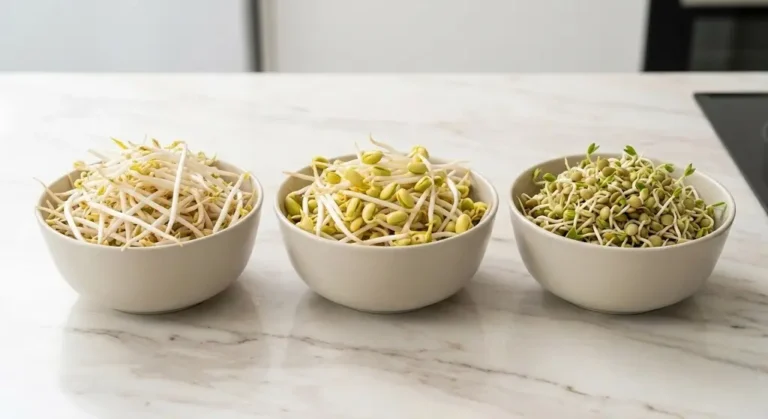
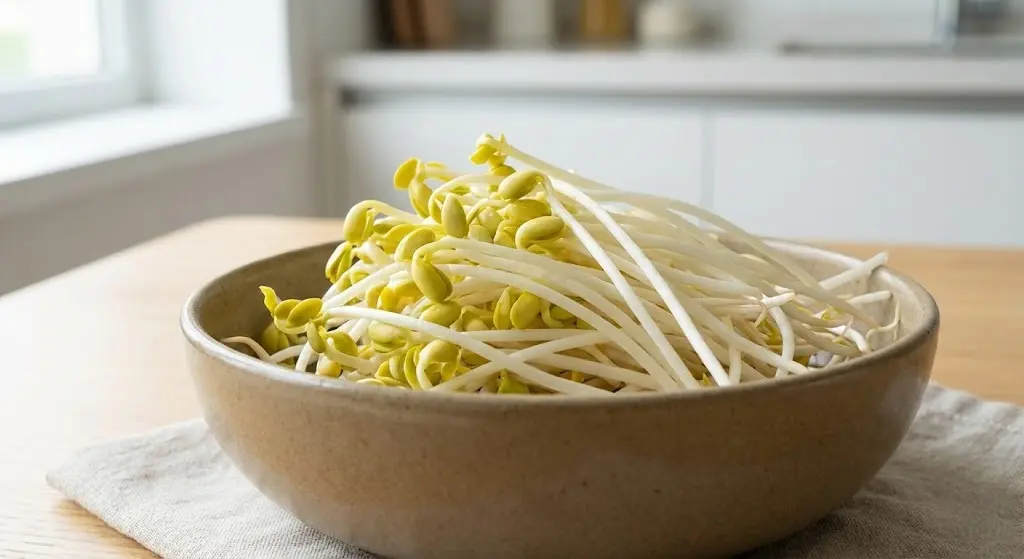
Most grocery-store “bean sprouts” in the United States are mung bean sprouts: long white stems with small yellow tips. Soybean sprouts are thicker, with a larger yellow bean head. They take longer to cook and are better in soups or longer Korean preparations.
What Other Guides Get Right, and What They Miss
The current recipe landscape is helpful but incomplete.
Many quick recipes get the biggest point right: bean sprouts cook fast. Melanie Cooks gives a very accessible sauteed version for beginners, and several recipe sites keep the ingredient list short. That is useful for someone who has a bag of sprouts and wants dinner now.
Specialist Asian cooking sites add better culinary technique. Omnivore’s Cookbook emphasizes very high heat to prevent soggy sprouts. Maangchi’s Korean mung bean sprout side dish shows a different path: blanch first, then season with garlic, sesame oil, and salt or fish sauce. The Woks of Life uses bean sprouts where they shine most: added late to stir-fries, fried rice, eggs, and noodles for crunch.
The gap is that most pages answer only one version of the question. They rarely compare stir-frying, blanching, soup, noodles, storage, and food safety in one place. They also often skip the practical failure points: wet sprouts, crowded pans, late-night leftovers, pregnant diners, and the difference between mung bean sprouts and soybean sprouts. This guide is built around those missing decisions.
How to Buy Good Bean Sprouts
Good cooked sprouts start before the pan.
Choose bean sprouts that look plump, pale, and crisp. The stems should be white to ivory, the tips should look fresh, and the package should not have a sour smell or a pool of cloudy liquid at the bottom. A little moisture is normal. Slime is not.
Avoid bean sprouts that are:
- slimy or sticky
- sour, musty, or fermented-smelling
- brown at the tips or translucent through the stems
- sitting in excessive liquid
- past the use-by date
Bean sprouts are delicate. Buy them close to the day you plan to cook them, and use them quickly.
How to Prep Bean Sprouts Before Cooking
Prep should be simple and fast.
- Sort through the sprouts and remove any slimy, brown, or mushy pieces.
- Rinse under cool running water.
- Drain in a colander.
- Shake off as much water as possible.
- Spread on a clean towel or use a salad spinner if you want a crisp stir-fry.
Drying is not fussy chef behavior here. It is the difference between stir-frying and steaming. Wet sprouts cool the pan, dilute the oil, and make sauce slide into a puddle.
You do not have to remove the thin tails. Some cooks trim them for a cleaner look and more refined texture, especially for restaurant-style dishes. At home, trimming a whole bag is optional.
Method 1: Crisp Stir-Fried Bean Sprouts
This is the best everyday method when you want bean sprouts as a hot side dish.
Ingredients
For 2 to 3 servings:
- 12 ounces mung bean sprouts, rinsed and very well drained
- 1 tablespoon neutral oil
- 2 garlic cloves, thinly sliced or minced
- 2 scallions, cut into 1-inch pieces
- 1 to 1 1/2 teaspoons soy sauce
- 1 teaspoon rice vinegar or black vinegar
- 1/2 teaspoon toasted sesame oil
- White pepper, to taste
- Salt, only if needed
Optional additions:
- 1 teaspoon grated ginger
- 1 fresh chili or dried chili
- A pinch of sugar
- A handful of garlic chives
- 1 teaspoon oyster sauce, vegetarian oyster sauce, or fish sauce
Steps
- Rinse and drain the sprouts very well. If they are wet, spread them on a towel for a few minutes.
- Mix the soy sauce, vinegar, sesame oil, and white pepper in a small bowl so the sauce is ready.
- Heat a wok or the widest skillet you own over high heat until it is clearly hot.
- Add the oil, then garlic and scallion whites. Stir for 5 to 10 seconds, just until fragrant.
- Add the bean sprouts in one layer if possible. Toss constantly for 45 to 60 seconds.
- Add the sauce around the edge of the pan, not directly into the center puddle.
- Toss for another 15 to 30 seconds, until the sprouts are steaming hot, glossy, and slightly flexible but still crisp.
- Turn off the heat, add scallion greens, taste, and serve immediately.
Do not cover the pan. A lid traps steam and makes the sprouts collapse.
The Anti-Soggy Rules
Bean sprouts get watery for predictable reasons.
| Problem | Why It Happens | Fix |
|---|---|---|
| Pan fills with liquid | Sprouts were wet or pan was too cool | Dry sprouts better and preheat the pan harder |
| Sprouts go limp | They cooked too long | Stop while stems still look plump and slightly opaque |
| Sauce tastes diluted | Salt or sauce went in too early | Season in the final 30 seconds |
| Garlic burns before sprouts cook | Aromatics were added too early or sliced too small | Keep aromatics moving and add sprouts quickly |
| Sprouts steam instead of sear | Pan is crowded | Use a wok, a wide skillet, or cook in two batches |
If you are using a small nonstick skillet, cook half the bag at a time. A crowded pan is the most common reason bean sprouts fail.
Method 2: Blanched Bean Sprouts for Salads and Korean-Style Sides
Blanching is better than stir-frying when you want a clean, tender-crisp base for a cold or room-temperature side dish.
Steps
- Bring a pot of water to a rolling boil.
- Add a generous pinch of salt.
- Add rinsed mung bean sprouts.
- Boil for 1 to 2 minutes, stirring once.
- Drain immediately.
- Rinse briefly under cold water if serving cold, or leave warm if serving right away.
- Squeeze or press gently to remove excess water before seasoning.
Season with garlic, scallion, toasted sesame oil, sesame seeds, salt, soy sauce, fish sauce, or a small splash of rice vinegar. The key is to drain well after blanching. If water is trapped in the stems, the seasoning will taste flat.
For soybean sprouts, blanching usually takes longer: about 5 to 8 minutes, depending on thickness. Soybean sprouts also benefit from a lid during simmering because the bean heads need more time to cook through.
Method 3: Bean Sprouts in Soup
Bean sprouts are excellent in soup, but they should usually go in near the end.
For clear broths, ramen, pho-style bowls, miso soup, or light vegetable soups, add mung bean sprouts during the final 30 seconds to 2 minutes. They only need enough time to heat through and soften slightly.
For Korean soybean sprout soup, the thicker soybean sprouts are simmered longer, often with garlic, scallion, and broth seasonings. Do not treat soybean sprouts like delicate mung bean sprouts; the bean heads should be cooked until they no longer taste raw.
If you are cooking for someone who should avoid raw or lightly cooked sprouts, simmer until the sprouts are steaming hot and fully softened.
Method 4: Bean Sprouts in Noodles, Fried Rice, and Stir-Fries
Bean sprouts are a finishing vegetable. They bring contrast, so add them late.
For fried rice, add bean sprouts after the rice is hot and seasoned. Toss for 30 to 60 seconds, just until the stems begin to soften. For lo mein, chow mein, pad Thai, or stir-fried rice noodles, add sprouts near the final toss so they stay bright and crisp.
For meat or tofu stir-fries, cook the protein and harder vegetables first. Add the bean sprouts at the very end. If they go in with carrots, broccoli, or raw chicken, they will overcook before the rest of the dish is ready.
Food Safety: Are Bean Sprouts Safe to Eat Raw?
Bean sprouts have a special food safety issue because of how they grow. Warm, humid sprouting conditions are also favorable for bacteria such as Salmonella, Listeria, and E. coli. Rinsing helps remove surface debris, but it does not make raw sprouts risk-free.
The FDA advises pregnant women to avoid raw sprouts of any kind, including mung bean sprouts, and to cook sprouts thoroughly. The CDC also lists raw or undercooked sprouts among riskier foods and says cooked sprouts are the safer choice when cooked until steaming hot.
People who should be more cautious with raw or lightly cooked sprouts include:
- pregnant people
- children, especially young children
- adults aged 65 and older
- people with weakened immune systems
- people undergoing cancer treatment or living with conditions that increase infection risk
For these groups, choose fully cooked sprouts rather than raw sprouts in sandwiches, salads, or lightly warmed bowls. If eating out, ask whether sprouts are raw and request that they be left out or thoroughly cooked.
How Long to Cook Bean Sprouts
Here is the practical timing chart.
| Method | Mung Bean Sprouts | Soybean Sprouts | Notes |
|---|---|---|---|
| High-heat stir-fry | 60-90 seconds | 3-5 minutes | Mung sprouts stay crisp; soybean sprouts need longer |
| Blanching | 1-2 minutes | 5-8 minutes | Drain well before seasoning |
| Soup | 30 seconds-2 minutes | 5-10 minutes | Add mung sprouts late; simmer soybean sprouts |
| Fried rice/noodles | 30-60 seconds | Not ideal unless pre-cooked | Add at the final toss |
| Steaming | 2-3 minutes | 6-8 minutes | Good when avoiding extra oil |
Timing depends on pan heat, sprout freshness, and batch size. Use the clock as a guide, but judge by texture: mung bean sprouts should be hot, slightly bendable, and still juicy-crisp.
Flavor Ideas
Bean sprouts are mild, which is why seasoning matters.
Chinese-style
Use garlic, scallion, white pepper, light soy sauce, rice vinegar, and a little sesame oil. For a sharper northern-style flavor, add black vinegar at the end.
Korean-style
Blanch the sprouts, drain well, then season with garlic, scallion, sesame oil, sesame seeds, and salt or soup soy sauce. Fish sauce can add depth.
Japanese-style
Stir-fry briefly with neutral oil, soy sauce, a little sake or mirin, and black pepper. Finish with sesame oil or chili oil.
Thai or Vietnamese-style
Add sprouts at the end of noodle dishes, soups, or omelets. Pair with lime, fish sauce, garlic, chili, herbs, and peanuts.
Simple weeknight version
Cook garlic in oil, add sprouts, toss for 1 minute, season with soy sauce and vinegar, and finish with sesame oil. It is fast, cheap, and good beside eggs, tofu, rice, noodles, or grilled meat.
What to Serve With Cooked Bean Sprouts
Cooked bean sprouts work best as a bright, crunchy counterpoint to richer foods.
Serve them with:
- steamed rice and fried eggs
- tofu, tempeh, chicken, shrimp, pork, or beef
- ramen, pho-style soup, or rice noodle bowls
- fried rice or lo mein
- dumplings or spring rolls
- grilled fish
- spicy stews
- lettuce wraps
If the main dish is salty or rich, keep the sprouts tangy and light. If the main dish is plain, season the sprouts more boldly with garlic, sesame, soy sauce, vinegar, and chili.
Storage and Leftovers
Raw bean sprouts are best used within 1 to 2 days of purchase. Keep them refrigerated, cold, and dry. If the package has liquid at the bottom, transfer the sprouts to a clean container lined with paper towel, but do not seal them with trapped moisture.
Cooked bean sprouts taste best right away. Leftovers can be refrigerated in a covered container and eaten within 1 to 2 days, but the texture will soften. Reheat quickly in a hot skillet or add them to soup.
Do not keep cooked sprouts at room temperature for long. As with other cooked vegetables, refrigerate leftovers promptly.
Troubleshooting
My bean sprouts smell sour. Can I cook them?
No. Fresh bean sprouts should smell clean, grassy, and mildly bean-like. If they smell sour, musty, or fermented, discard them.
My stir-fry is watery.
Drain and dry the sprouts better, use higher heat, cook a smaller batch, and add sauce only at the end. If liquid has already pooled, remove the sprouts with tongs and leave the watery liquid behind.
The sprouts browned in the fridge.
Light browning at the tips can happen with age, but sliminess, strong odor, or mushy stems means they should be thrown out.
The sprouts taste raw.
Cook them longer or use blanching instead of quick stir-frying. Soybean sprouts especially need more time than mung bean sprouts.
The dish tastes bland.
Bean sprouts hold a lot of water, so seasoning must be assertive. Add a small amount of salt, soy sauce, vinegar, sesame oil, white pepper, garlic, chili, or fish sauce. Season after excess water has cooked off.
Simple Crisp Bean Sprout Stir-Fry Recipe
Prep Time
8 minutes
Cook Time
2 minutes
Servings
2 to 3
Ingredients
- 12 ounces fresh mung bean sprouts
- 1 tablespoon neutral oil
- 2 garlic cloves, minced
- 2 scallions, sliced
- 1 tablespoon light soy sauce
- 1 teaspoon rice vinegar
- 1/2 teaspoon toasted sesame oil
- 1 pinch white pepper
- Optional: sliced chili, sesame seeds, or garlic chives
Instructions
- Rinse the bean sprouts and drain very well.
- Stir together soy sauce, vinegar, sesame oil, and white pepper.
- Heat a wok or wide skillet over high heat.
- Add oil, garlic, and the white parts of the scallions. Stir for 5 to 10 seconds.
- Add bean sprouts and toss for 60 seconds.
- Add the sauce around the edge of the pan and toss for 15 to 30 seconds.
- Add scallion greens, taste, and serve immediately.
Notes
For extra-crisp sprouts, do not salt early and do not cover the pan. For a more thoroughly cooked version, stir-fry until the sprouts are steaming hot and slightly more tender, about 2 minutes total.
Frequently Asked Questions
Do you need to cook bean sprouts?
You do not always need to cook bean sprouts if you are a healthy adult and accept the risk of raw sprouts, but cooking is safer. Pregnant people, young children, older adults, and people with weakened immune systems should avoid raw or lightly cooked sprouts.
How do you cook bean sprouts so they stay crunchy?
Drain them very well, use high heat, avoid overcrowding, and add sauce in the last 30 seconds. Mung bean sprouts only need about 60 to 90 seconds in a hot wok or wide skillet.
Can you boil bean sprouts?
Yes. Blanch mung bean sprouts in boiling water for 1 to 2 minutes, then drain well. Boiling is useful for cold salads, Korean-style seasoned sprouts, and anyone who wants a more thoroughly cooked result.
Can you microwave bean sprouts?
You can, but the texture is usually softer. Place rinsed sprouts in a microwave-safe bowl, cover loosely, and microwave in short bursts until steaming hot. Drain before seasoning.
Are canned bean sprouts already cooked?
Most canned bean sprouts are heat-processed and softer than fresh sprouts. Drain and rinse them, then add near the end of stir-fries or soups just to heat through.
Can you freeze bean sprouts?
Freezing raw bean sprouts is not ideal because they become limp after thawing. If you must freeze them, blanch briefly first, drain very well, and use later in soups or cooked fillings rather than crisp stir-fries.
What is the difference between mung bean sprouts and soybean sprouts?
Mung bean sprouts are thinner, lighter, and quicker-cooking. Soybean sprouts have a larger yellow bean head, a firmer texture, and a stronger bean flavor. Soybean sprouts need longer cooking.
Why do restaurants’ bean sprouts taste better?
They usually use very high heat, large cooking surfaces, well-drained sprouts, and short cooking times. At home, the closest fix is to use a wide pan, cook in smaller batches, and season at the end.
Final Thoughts
Bean sprouts are at their best when you treat them like a fast-cooking fresh vegetable, not a slow-cooking ingredient.
For crisp stir-fries, think hot pan, dry sprouts, short time, late seasoning. For salads and Korean-style sides, blanch, drain, and season boldly. For soups and noodles, add mung bean sprouts near the end so they stay lively. And when food safety matters, cook them thoroughly until steaming hot.
That is the whole art: protect the crunch, control the water, and choose the method that fits the meal.
Data Sources
- FDA, “Selecting and Serving Produce Safely” https://www.fda.gov/food/buy-store-serve-safe-food/selecting-and-serving-produce-safely
- FDA, “Fruits, Veggies and Juices (Food Safety for Moms-to-Be)” https://www.fda.gov/food/people-risk-foodborne-illness/fruits-veggies-and-juices-food-safety-moms-be
- CDC, “Safer Food Choices” https://www.cdc.gov/food-safety/foods/safer-food-choices.html
- USDA FoodData Central https://fdc.nal.usda.gov/
- Melanie Cooks, “Sauteed Bean Sprouts Recipe” https://www.melaniecooks.com/sauteed-bean-sprouts/28093/
- Omnivore’s Cookbook, “Bean Sprout Stir Fry” https://omnivorescookbook.com/bean-sprout-stir-fry/
- Maangchi, “Mung bean sprout side dish (Sukjunamul-muchim)” https://www.maangchi.com/recipe/sukjunamul-muchim
- The Woks of Life, “Chicken and Bean Sprouts Stir-Fry” https://thewoksoflife.com/chicken-bean-sprouts/
- Wikimedia Commons image source: “Moyashi-Mung-bean-sprouts.jpg” https://commons.wikimedia.org/wiki/File:Moyashi-Mung-bean-sprouts.jpg